Start here
If the old system feels broken, you’re not imagining it.
Here’s how we build something better, together.
You Weren’t Failing.
The System Was.
If life feels harder for everyone at the same time, it isn’t personal, it’s structural.
For families, it’s the rent.
For Gen Z and Gen X, it’s living with their parents longer than any generation before them.
For parents, it’s medical bills and shrinking paychecks.
For small businesses, it’s 90-day lead times, shifting tariffs, and supply chains that break overnight.
Everyone keeps blaming themselves.
But the truth is sharper and more liberating:
The system was built on the wrong input, petrochemicals. Everything else collapsed around it.
When one material controls an entire economy, everything downstream becomes fragile:
wages
housing
small business survival
jobs
supply chains
generational mobility
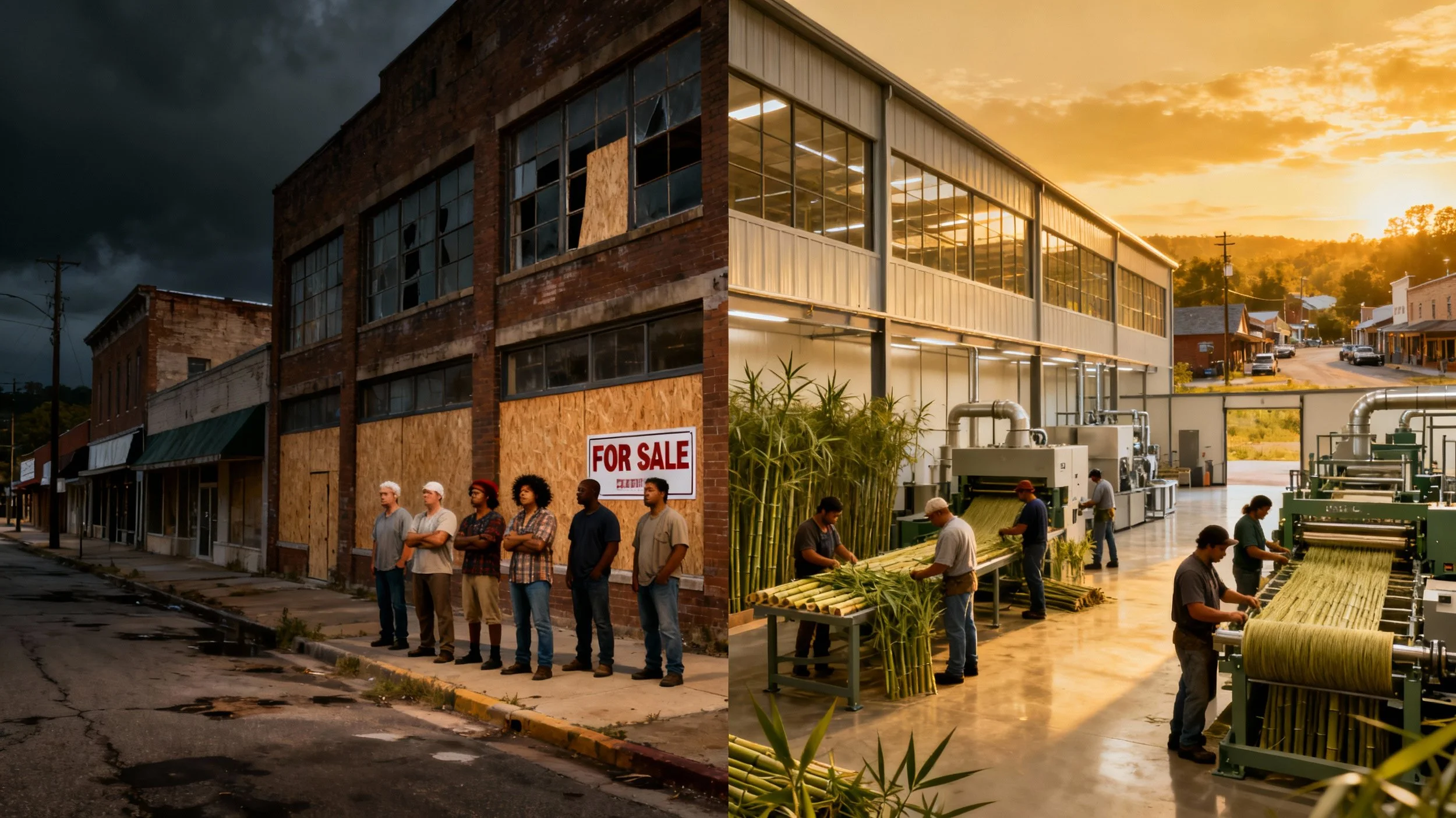
rural towns
domestic manufacturing
This didn’t start in 2020.
It didn’t start in 2008.
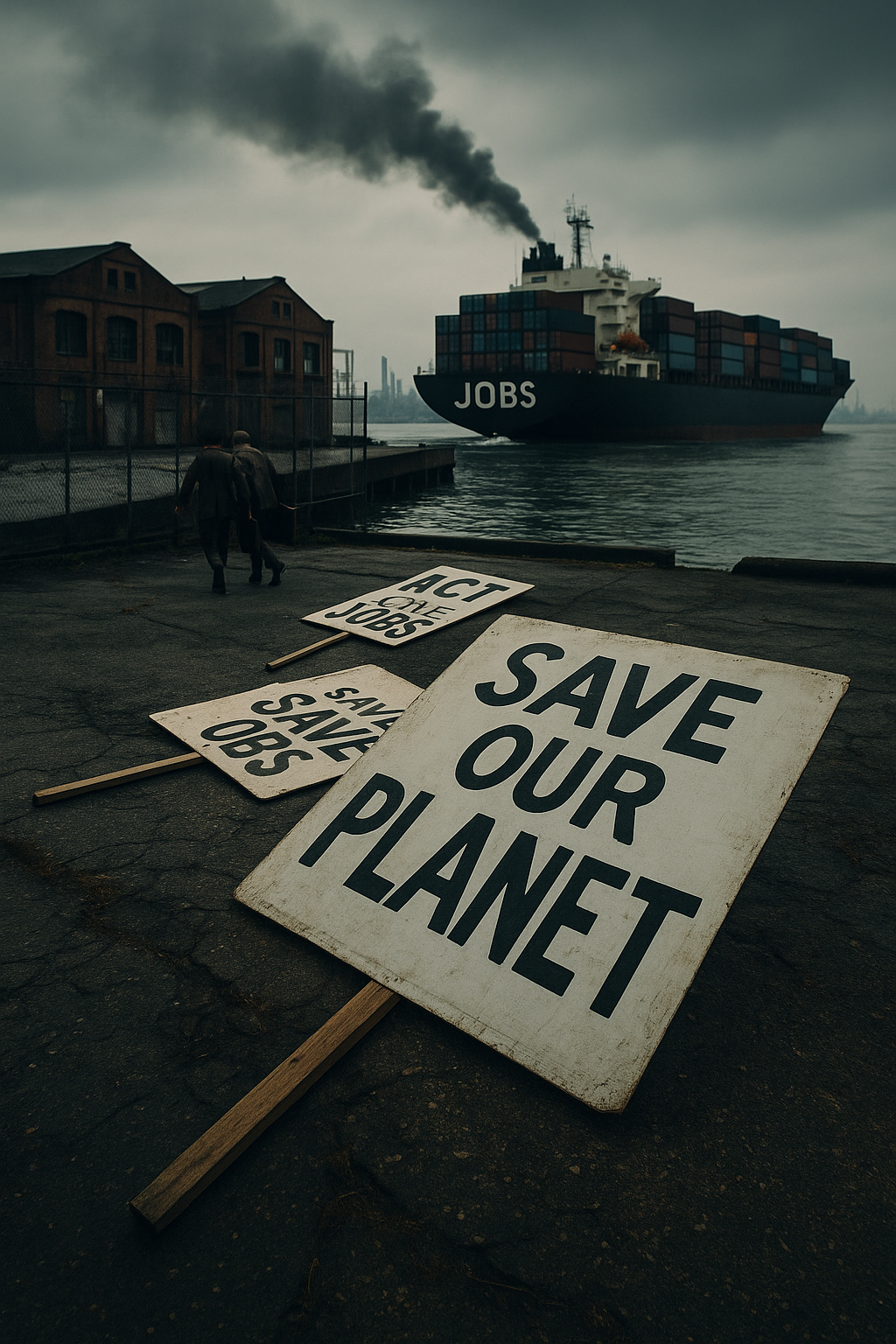
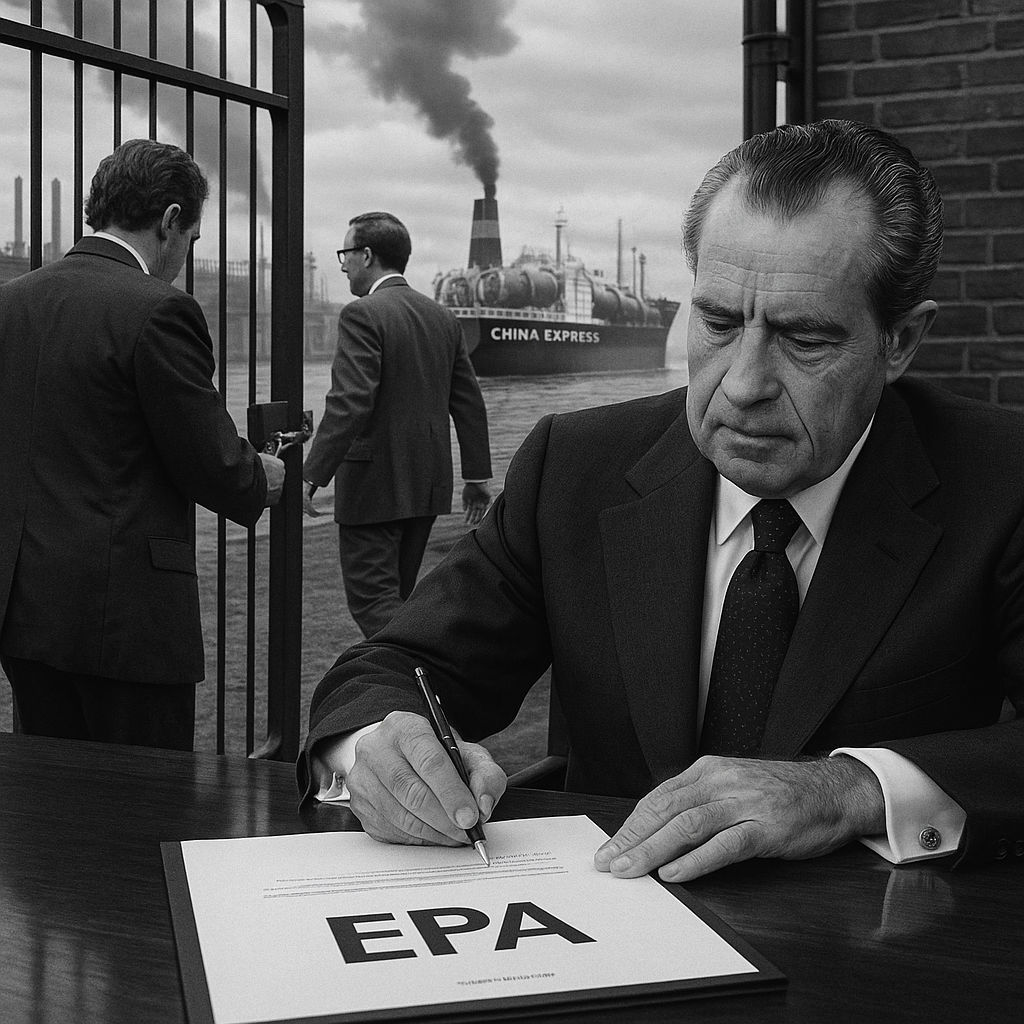
It started in the 1970s–1980s, when petrochemical infrastructure offshored manufacturing and hollowed out the middle class.
You’re not failing inside the system.
You’re living in the fallout of it
The economy wasn’t chaotic.
It was engineered around one material: oil.
Oil didn’t just power cars. It powered:
jobs
pricing
global trade
plastics
packaging
consumer products
building materials
manufacturing decisions
military strategy
entire national budgets
Fragile material → fragile lives.
Fragile supply chains → fragile communities.
And the petrochemical industry didn’t fix it.
They hid it.
They moved the toxic manufacturing offshore. Where labor was cheap, rights were thin, and pollution was unregulated. Then they shipped the products back to us disguised as “consumer goods.”
No one looks in the back room, the factory floor, the shipping container, the chemical vat.
But we all buy the result.
This isn’t your fault.
You were never supposed to see the design.
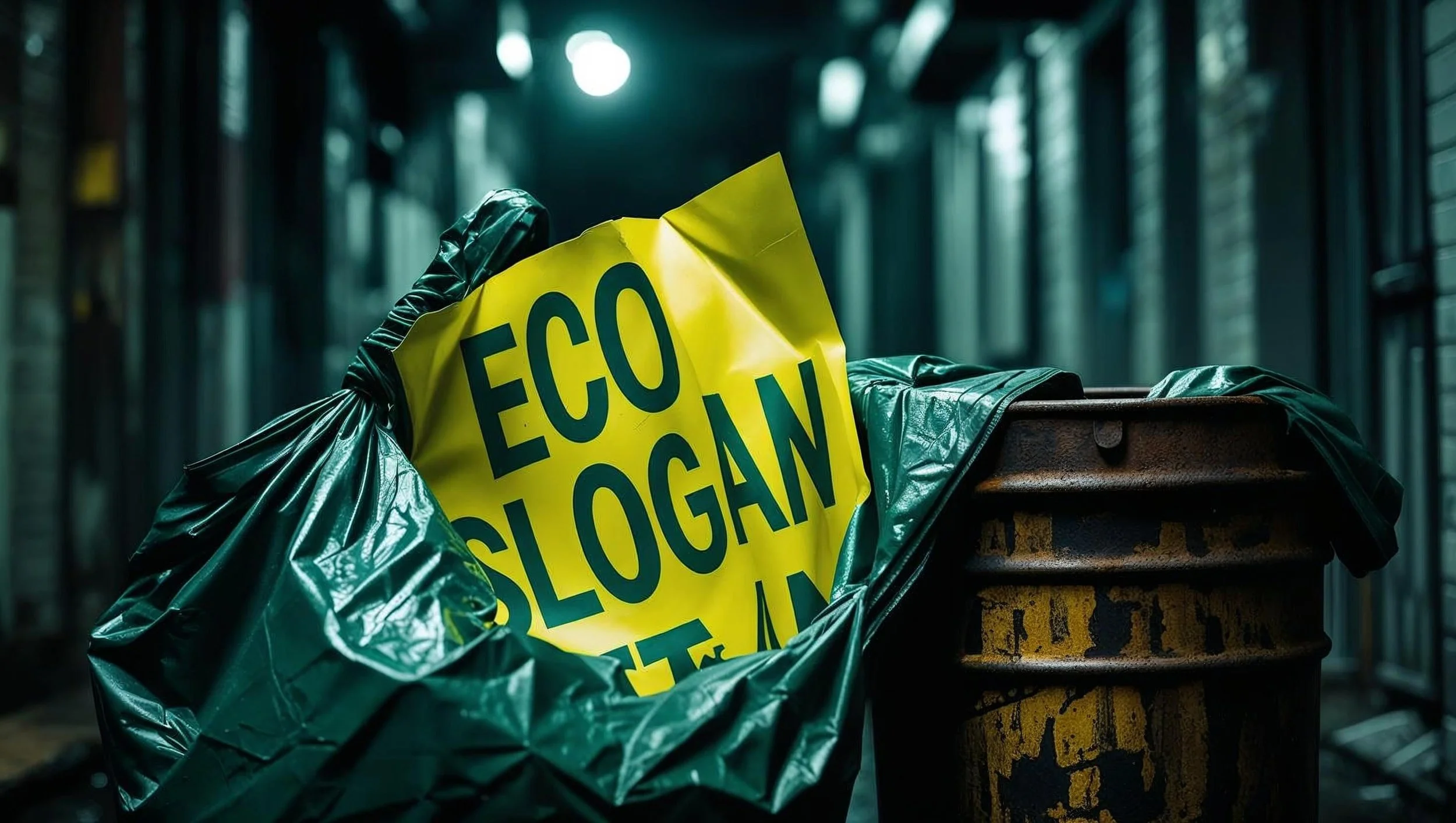
You Can’t Protest What You Purchase
The economy doesn’t listen to our anger.
It listens to our receipts.
Petrochemical companies didn’t fear protests.
They feared alternatives.
Because once a safer material exists, toxic products can be destroyed through:
consumer replacement
litigation
regulatory action
market abandonment
capital flight
Oil won by controlling the starting material.
We win by replacing it.
And for the first time in history, replacing it is possible.
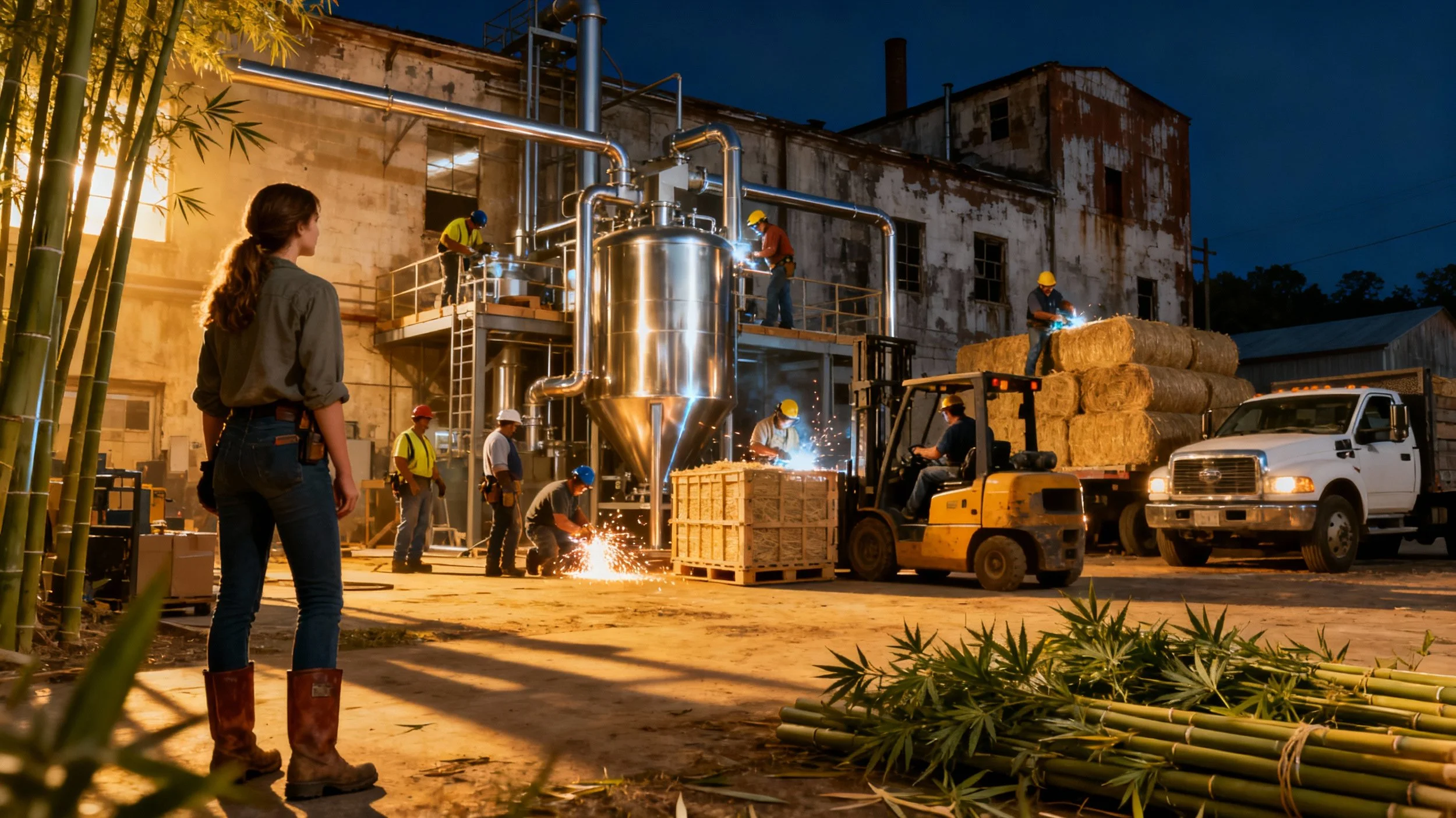
Change is gonna come.
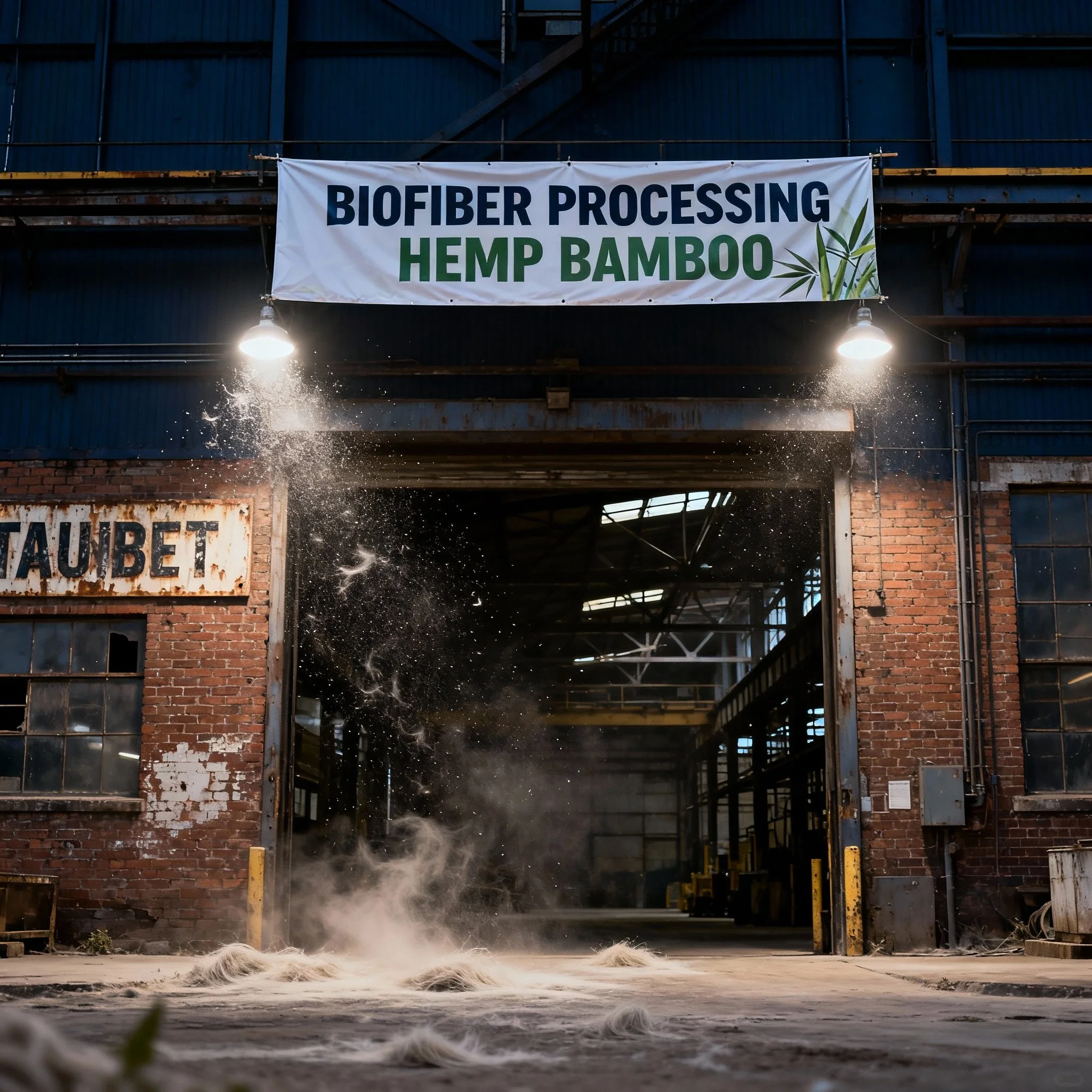
Hemp + Bamboo Change Everything
These two fibers can replace plastics, textiles, packaging, building materials, composites, insulation, and thousands of everyday products — cheaper and cleaner.
They grow fast.
Restore rural economies.
Create domestic jobs.
Stabilize pricing.
Strengthen supply chains.
Unlock carbon finance.
Meet FEOC-compliance and domestic content rules.
This is how you rebuild a middle class.
When the input changes, the power structure changes:
Pricing → Jobs → Manufacturing → Ownership → Opportunity
We Finally Have the Tools They Never Had
-

AI
AI unlocked the technical knowledge gatekeepers spent decades hiding.
Anyone can learn the manufacturing pathways now. -
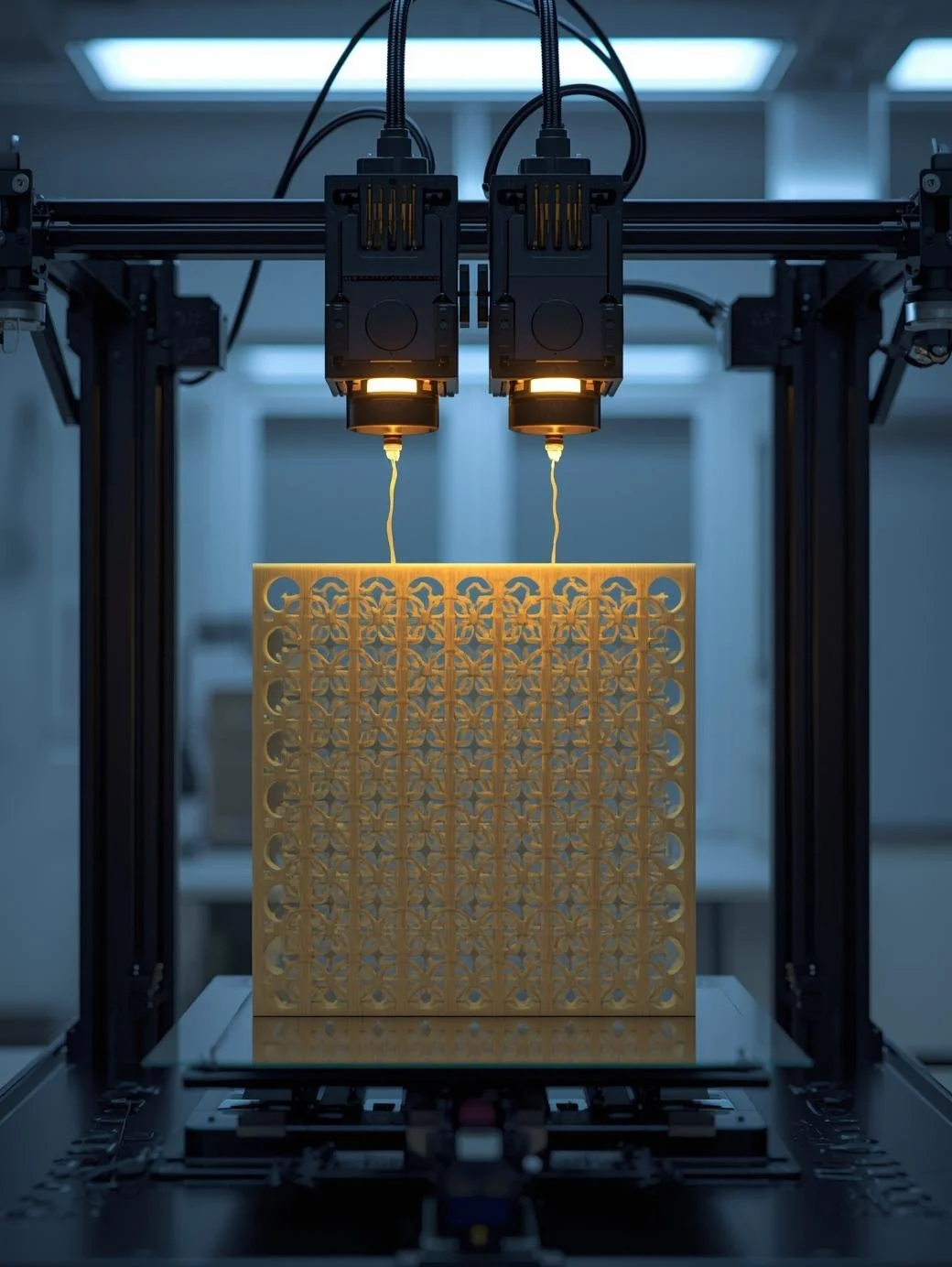
3D Printing
The $100,000 plastic mold is dead.
You can 3D-print the same part in hemp/bamboo composites for $30. -

Community Networks
Endsetters: the people who share, signal, and spread the mission are the new distribution.
-
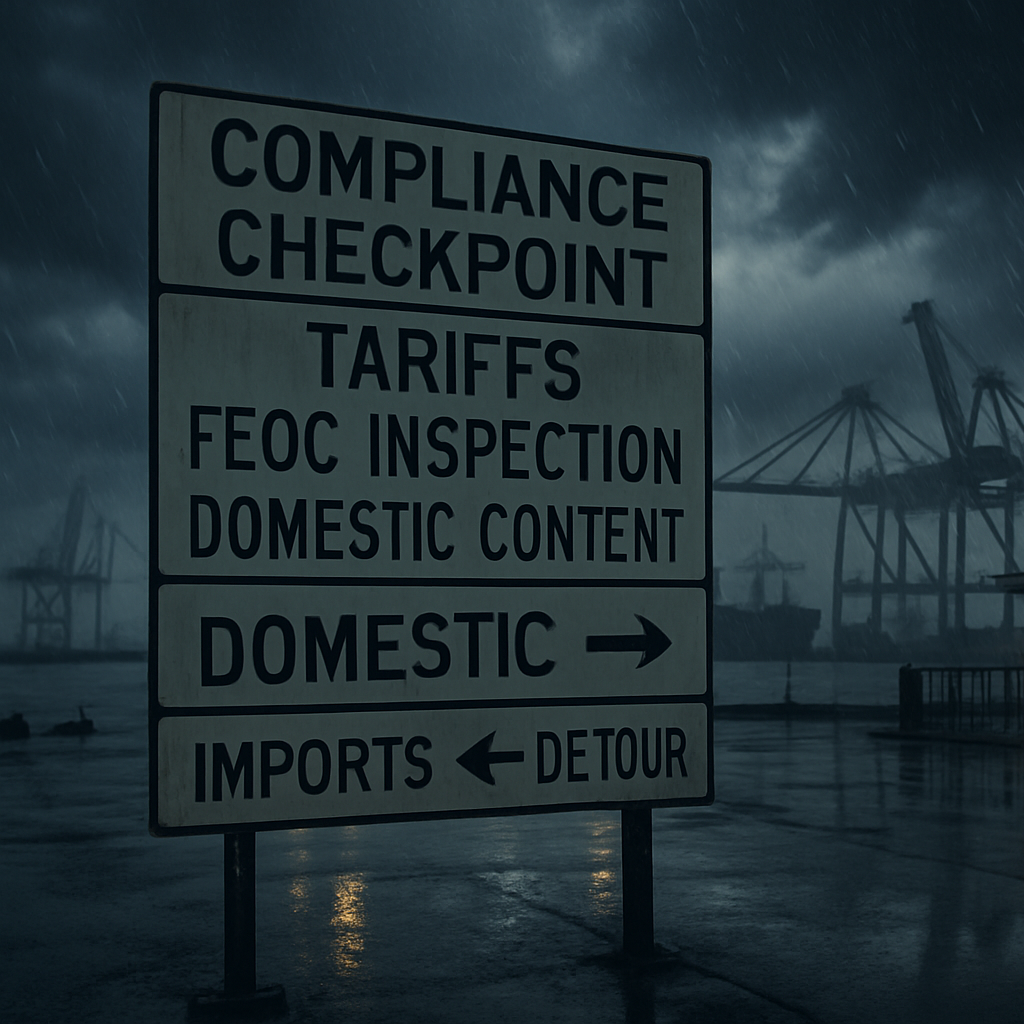
Tariffs + Content Laws
For the first time in 50 years, hemp + bamboo products can actually compete on shelves because oil-based imports are finally exposed.

Choose the lane that matches where you are right now.
-

Change Your Cart
Replace petroleum-based products with hemp + bamboo basics.
-

Learn How the System Works
Enter the Library and understand the tech. Pass on the knowledge.
-

Help Build the Infrastructure
Direct grants, investment, or policy toward processing, equipment, and rural facilities.
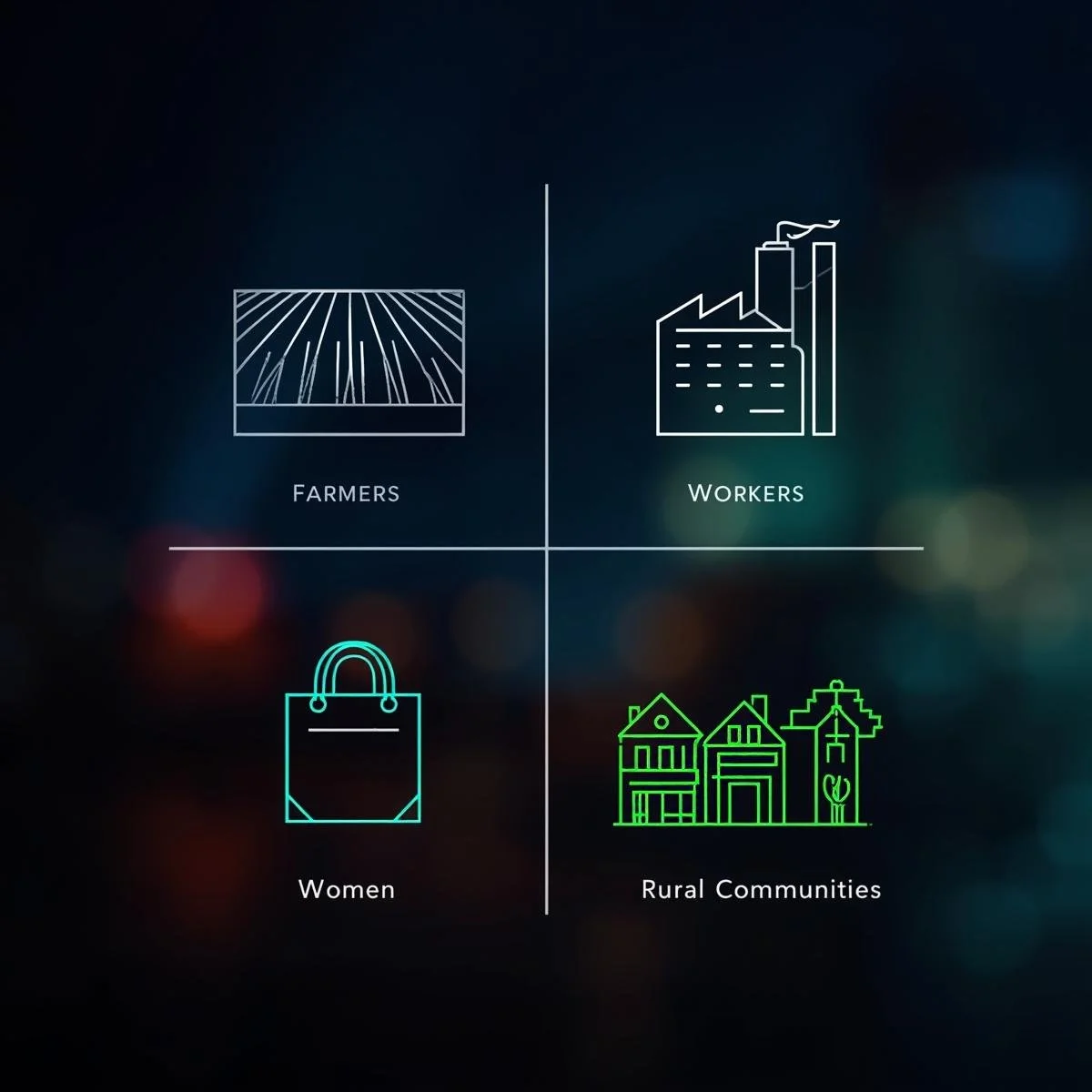
This Helps the People
Who’ve Been Ignored
Farmers
Stable contracts + new revenue.
Workers
Domestic jobs + predictable supply chains.
Women
80% of consumer power → 80% of the pivot.
Rural Towns
Real investment after decades of abandonment.
You Can’t Protest What You Purchase
The economy doesn’t listen to our anger.
It listens to our receipts.
Petrochemical companies didn’t fear protests.
They feared alternatives.
Because once a safer material exists, toxic products can be destroyed through:
consumer replacement
litigation
regulatory action
market abandonment
capital flight
Oil won by controlling the starting material.
We win by replacing it.
And for the first time in history, replacing it is possible.
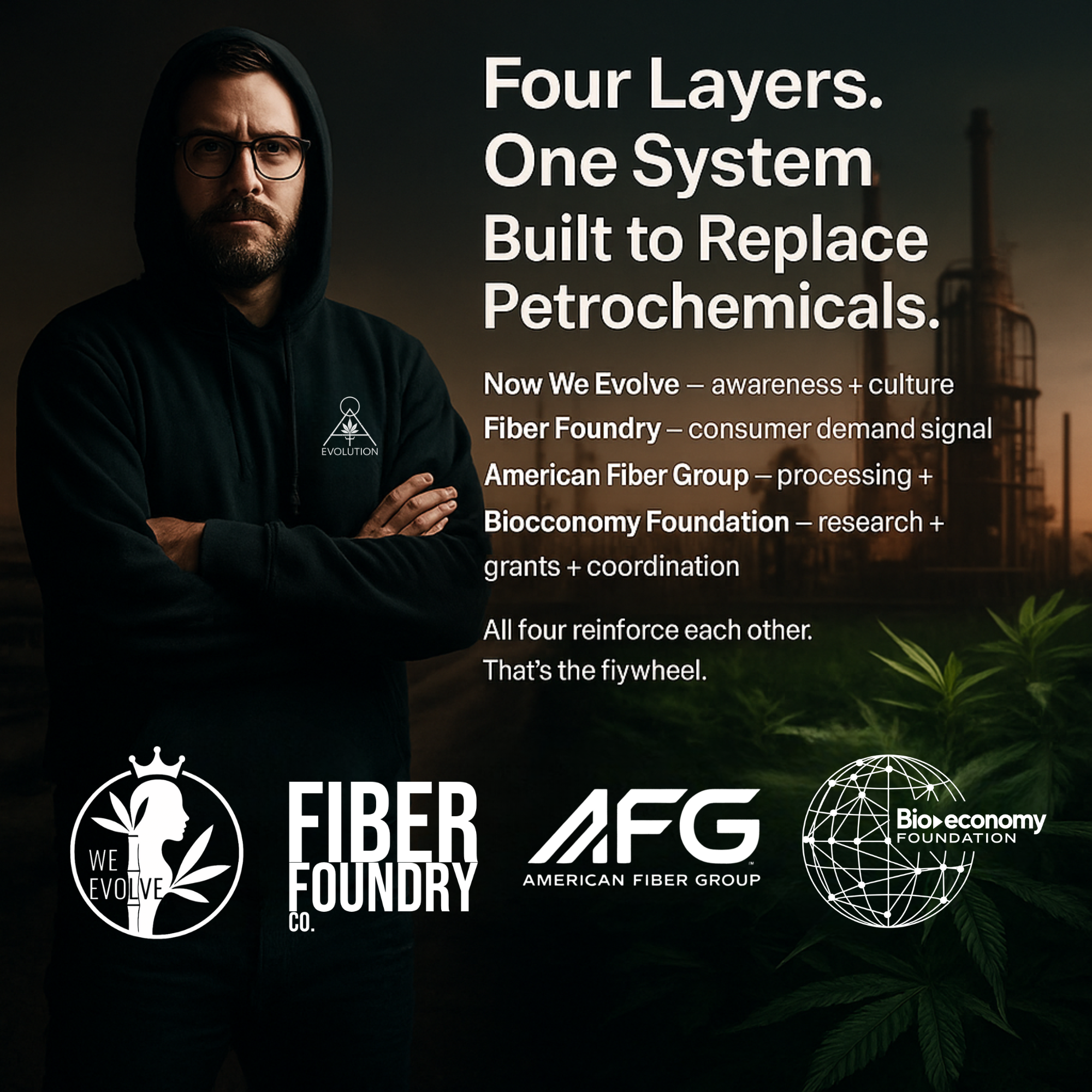
Four Layers. One System.
Built to Replace Petrochemicals.
Now We Evolve — awareness + culture
Fiber Foundry — consumer demand signal
American Fiber Group — processing + manufacturing
Bioeconomy Foundation — research + grants + coordination
All four reinforce each other.
That’s the flywheel.

We don’t buy clicks.
We Build Believers.

Can’t Donate?
Sharing Helps More Than You Think.
Our ecosystem doesn’t buy ads.
We don’t feed the platforms that feed the petrochemical system.
Every share you make pushes our story into algorithms that normally sell you toxic products.
Your share wastes a petrochemical company’s marketing dollar.
Your share sends a signal.
Your share builds the new system.
That’s why we call our supporters:
The Endsetters
The people who end one system by starting another.
Follow us at Now We Evolve:
Start With the Tools:
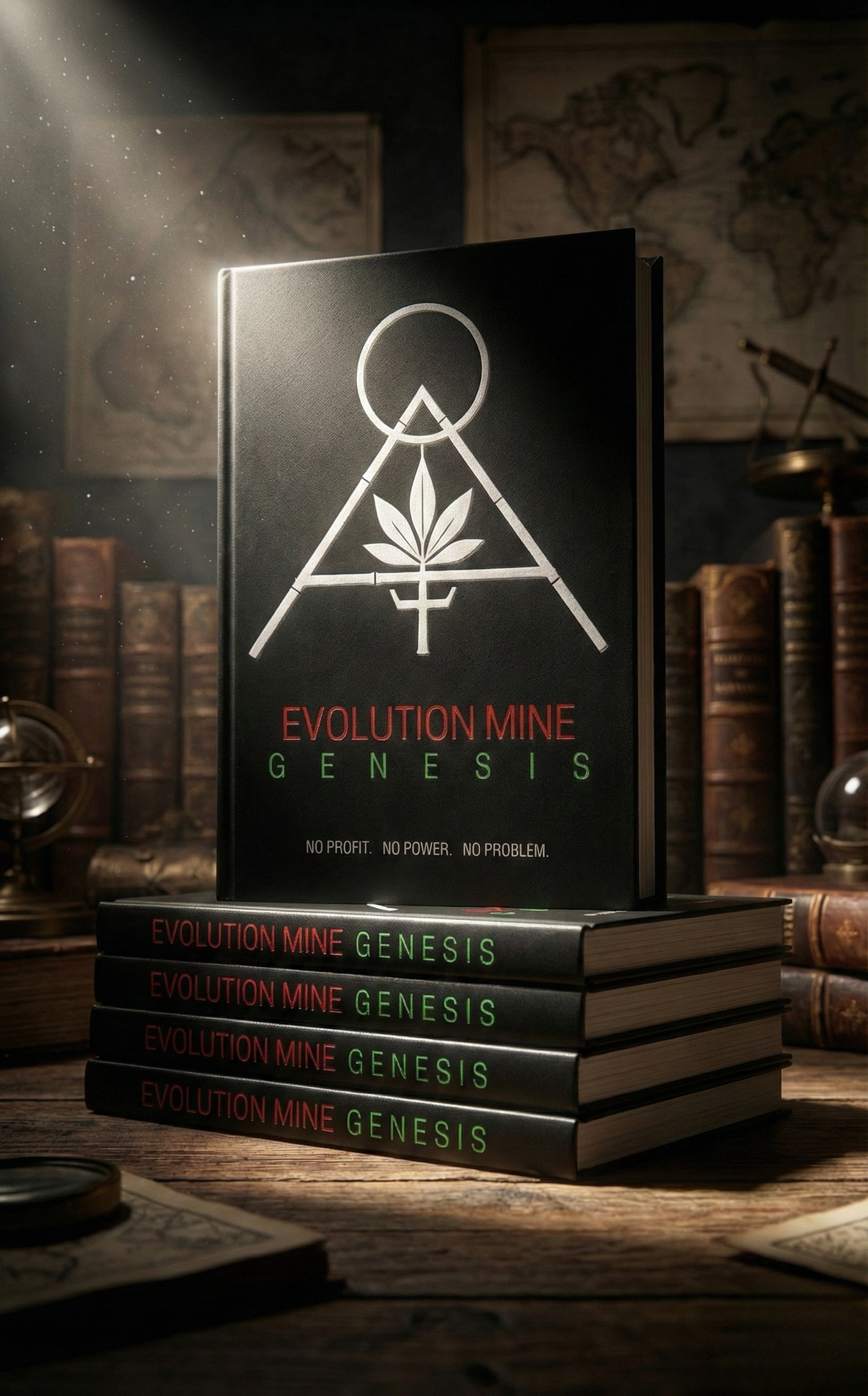
The Book That Explains the Shift
Want the full backstory — the industrial chain, the geopolitics, the design of the petrochemical system, and the plan to replace it?
Read the book that became the foundation for this movement.