

Legalities & Compliance
A clear legal and policy framework is what makes hemp and bamboo bankable, buildable, and insurable.
This page outlines the federal laws, standards, and compliance pathways that support the U.S. bioeconomy.
The regulatory backbone of the domestic biofiber economy.
Oil wasn’t powerful because it was cheap.
It was powerful because it had regulatory clarity.
For the first time in a century, hemp and bamboo have a legal framework strong enough to build a domestic industrial system; compliant, insurable, FEOC-clean, and aligned with modern manufacturing law.
This page defines that framework in one place.
Federal Regulatory Framework
-
Farm Bill & New Hemp Definition
Revised definition of industrial hemp: the plant Cannabis sativa L. (and any part thereof) with a total tetrahydrocannols concentration (including THCA and other THC isomers) of not more than 0.3% on a dry-weight basis. New law also excludes certain synthetic cannabinoids and finished products containing more than 0.4 mg total THC per container.
-
USDA BioPreferred Program
Supports procurement, labeling, and federal purchasing of biobased products — including fiber, composites, structural materials and industrial hemp-based manufacturing inputs.
-
USDA Rural Development
Grants, loans and technical assistance available for establishing processing hubs, manufacturing facilities and rural industrial fiber operations built around hemp and bamboo.
-
DOE Industrial Programs
Funding and research partnerships for advanced manufacturing, industrial decarbonization, composite development, and scaling biofiber supply chains (hemp + bamboo) into domestic infrastructure.
-
EPA & OSHA Compliance Framework
Regulatory guidance for natural-fiber processing: worker safety, dust control, equipment standards, environmental compliance — all critical for transforming hemp and bamboo into manufacturing-grade feedstocks.
Industrial Policy and Incentives
-
IRA 45X
Production tax credits for domestically manufactured clean components including hemp and bamboo based structural materials and composites.
-
IRA 48C
Tax credits for building new industrial facilities including fiber processing hubs and regenerative material plants.
-
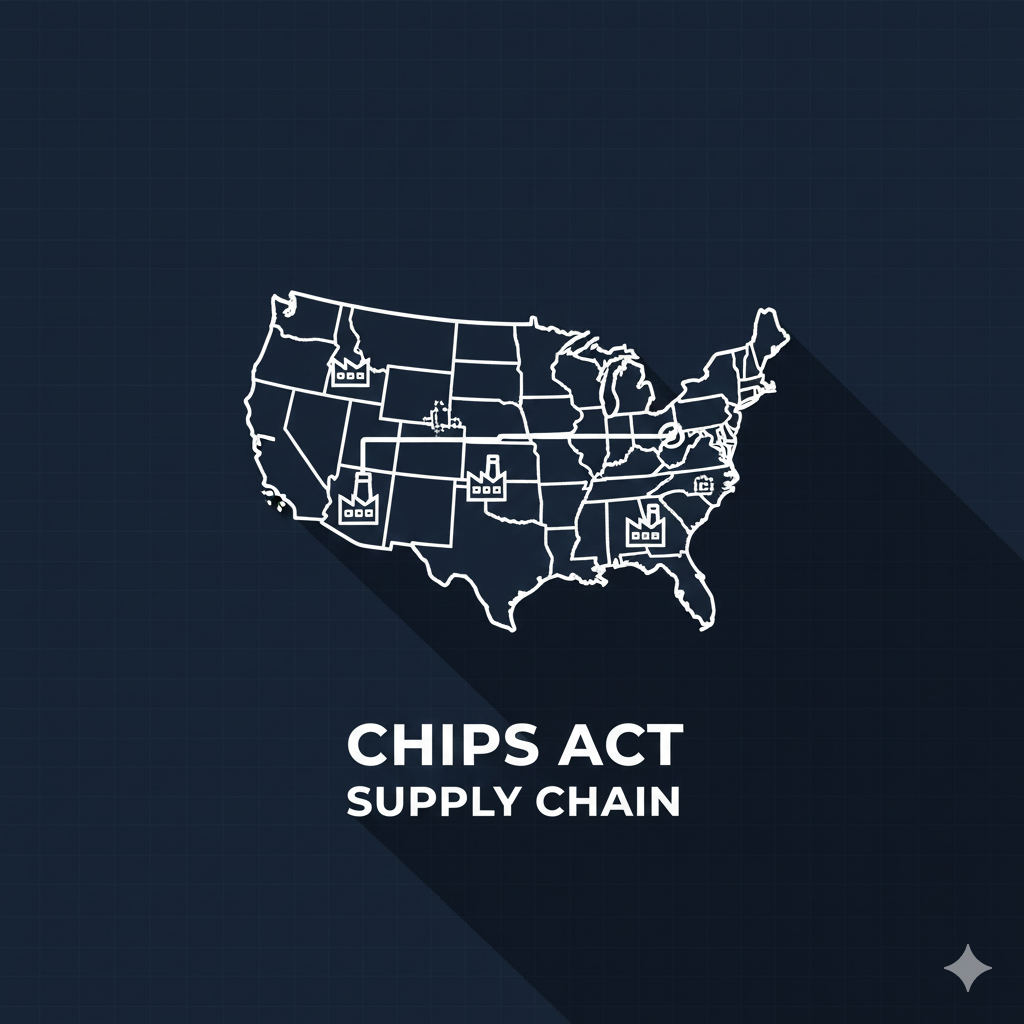
CHIPS Act Supply Chain Requirements
Strict domestic sourcing and foreign entity restrictions. Creates demand for U S grown fiber for packaging, components, and 3D printing feedstocks.
-
Foreign Entity of Concern Compliance
Ensures materials are not sourced from foreign entities of concern. Positions domestic hemp and bamboo as compliant and preferred.
-
State Level Industrial Incentives
States including Texas, Colorado, Kentucky, Tennessee, and California offer grants, tax credits, and industrial development programs for biofiber facilities.
Standards Framework
-
ASTM Standards
Testing for tensile strength, moisture behavior, biodegradation, and composite performance.
-
ISO Standards
Quality management, environmental systems, and standardized testing for fiber processing and manufacturing.
-
DBX Domestic Biofiber Index
Material grades, procurement rules, chain of custody, and qualification pathways.
-

Material Testing Protocols
Fiber classification, load testing, flammability, microbial and moisture analysis, thermal behavior, and aging profiles.
-
Chain of Custody Requirements
Defines batch tracking, provenance, contamination limits, carbon accounting, moisture history, and compliance documentation from farm to processor to manufacturer.
The Cannabis Bill and Where We Stand
The new cannabis bill caused confusion. Most people still do not understand the difference between industrial hemp and cannabinoid focused cannabis.
Our work sits entirely in the industrial lane.
Fiber
Hurd
Composites
Construction
Manufacturing feedstock
Rural jobs
Domestic content
Supply chain replacement
We work upstream. We stop the causes of illness. We do not treat symptoms.
CBD, THC, and pharmaceutical cannabis belong to a different regulatory world.
We support clear and responsible regulation similar to alcohol and Title 117 food standards.
But these products are not part of our mission.
We do not sell them.
We do not build businesses around them.
We do not shape policy around them.
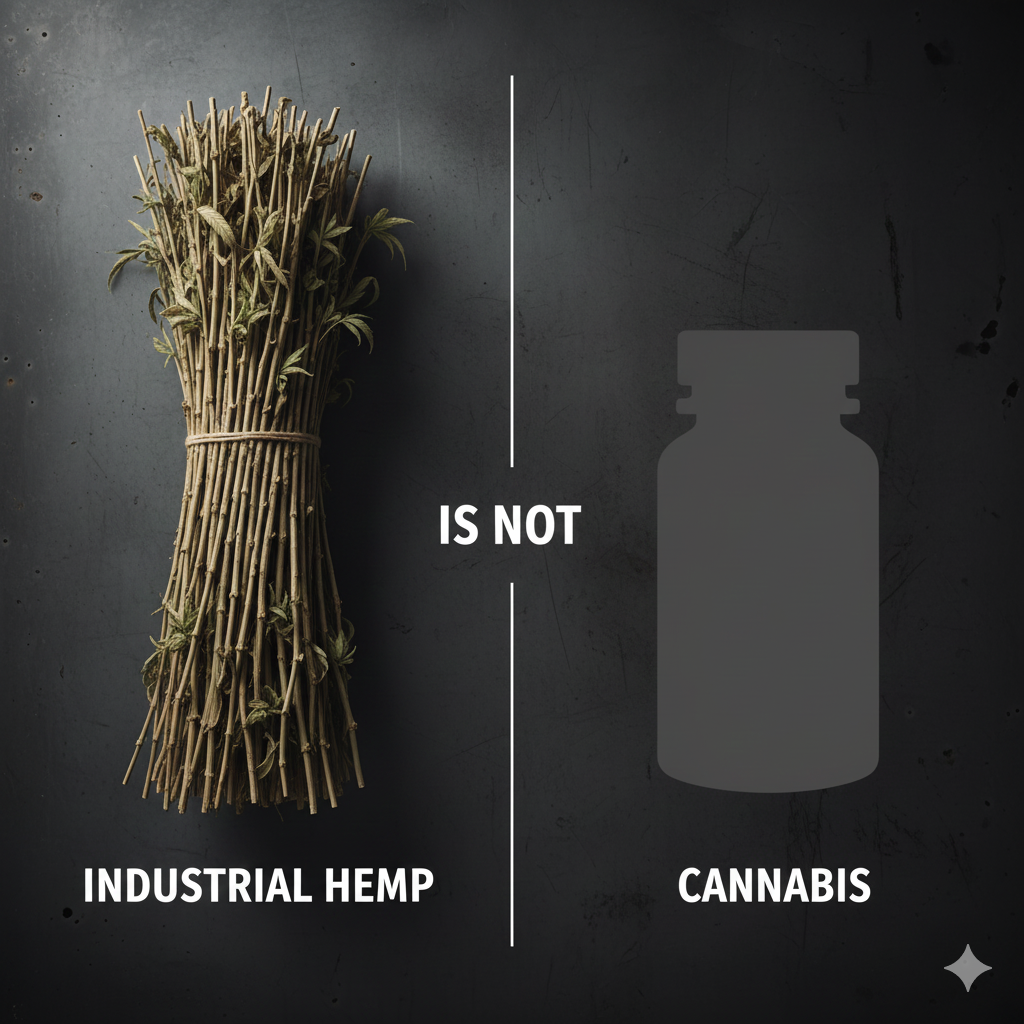
Why Industrial Hemp is Not Cannabis
-
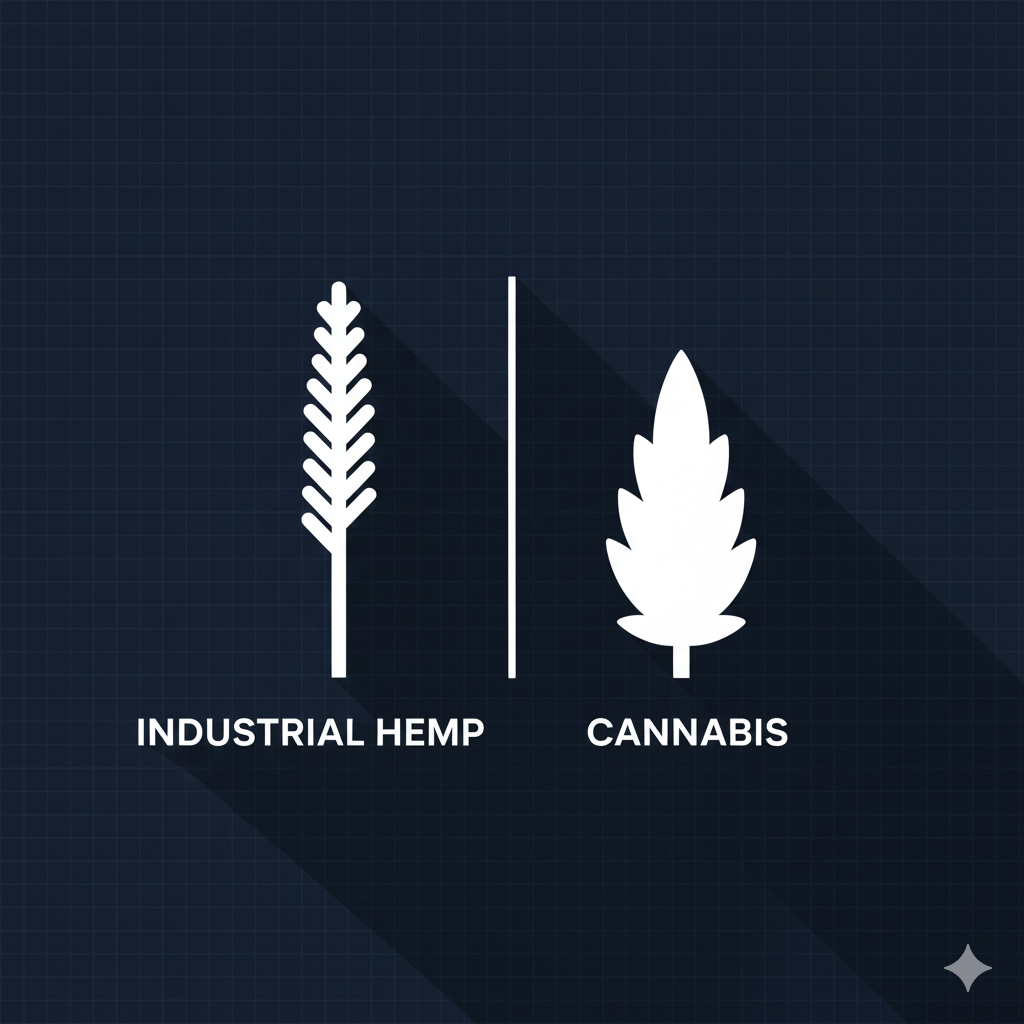
Different Plants and Different Rules
Industrial hemp is an agricultural and industrial crop.
Cannabis is regulated as a controlled substance or pharmaceutical product. -
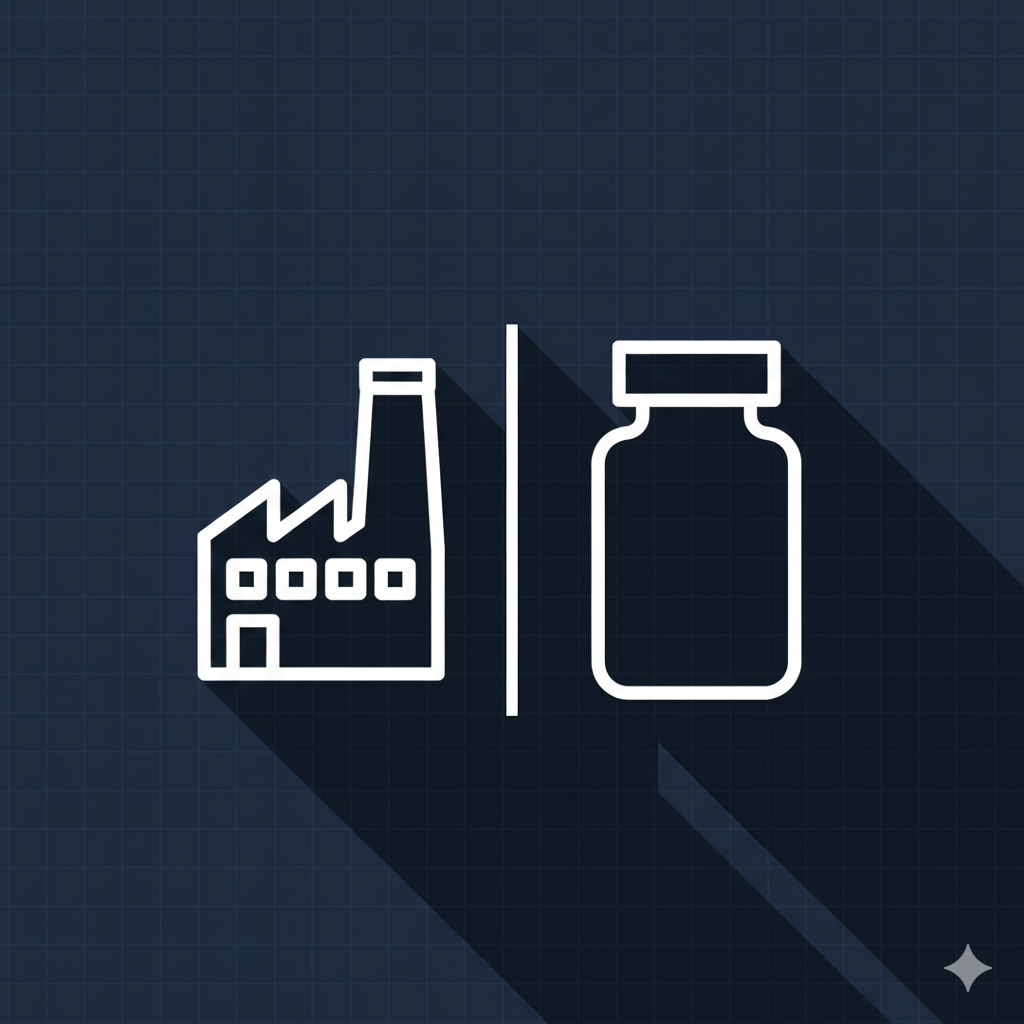
Different Uses
Hemp supports construction materials, composites, textiles, polymers, and soil improvement.
Cannabis serves pharmaceutical, wellness, and recreational markets. -
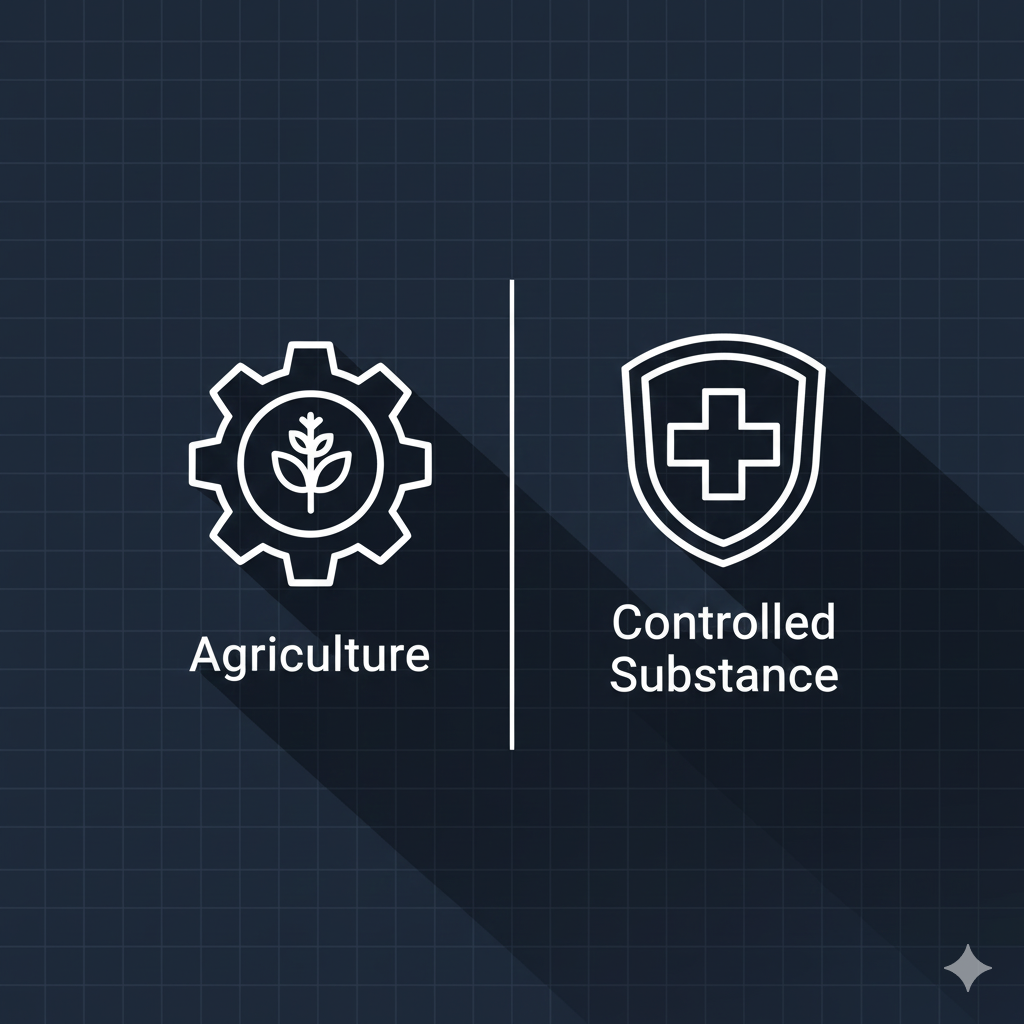
Different Compliance Paths
Industrial hemp falls under agricultural and industrial regulations.
Cannabis falls under FDA, DOJ, and state regulated medical frameworks. -

Different Economic Outcomes
Industrial hemp solves upstream problems including carbon reduction, manufacturing, supply chain resilience, and soil regeneration.
Cannabis treats downstream symptoms.
How This Regulatory Framework Supports the Bioeconomy
This legal structure ensures that hemp and bamboo can function as reliable industrial inputs.
Compliance enables capital investment.
Standards enable insurance.
Traceability enables manufacturing adoption.
Together, they build the U S biofiber economy.
