
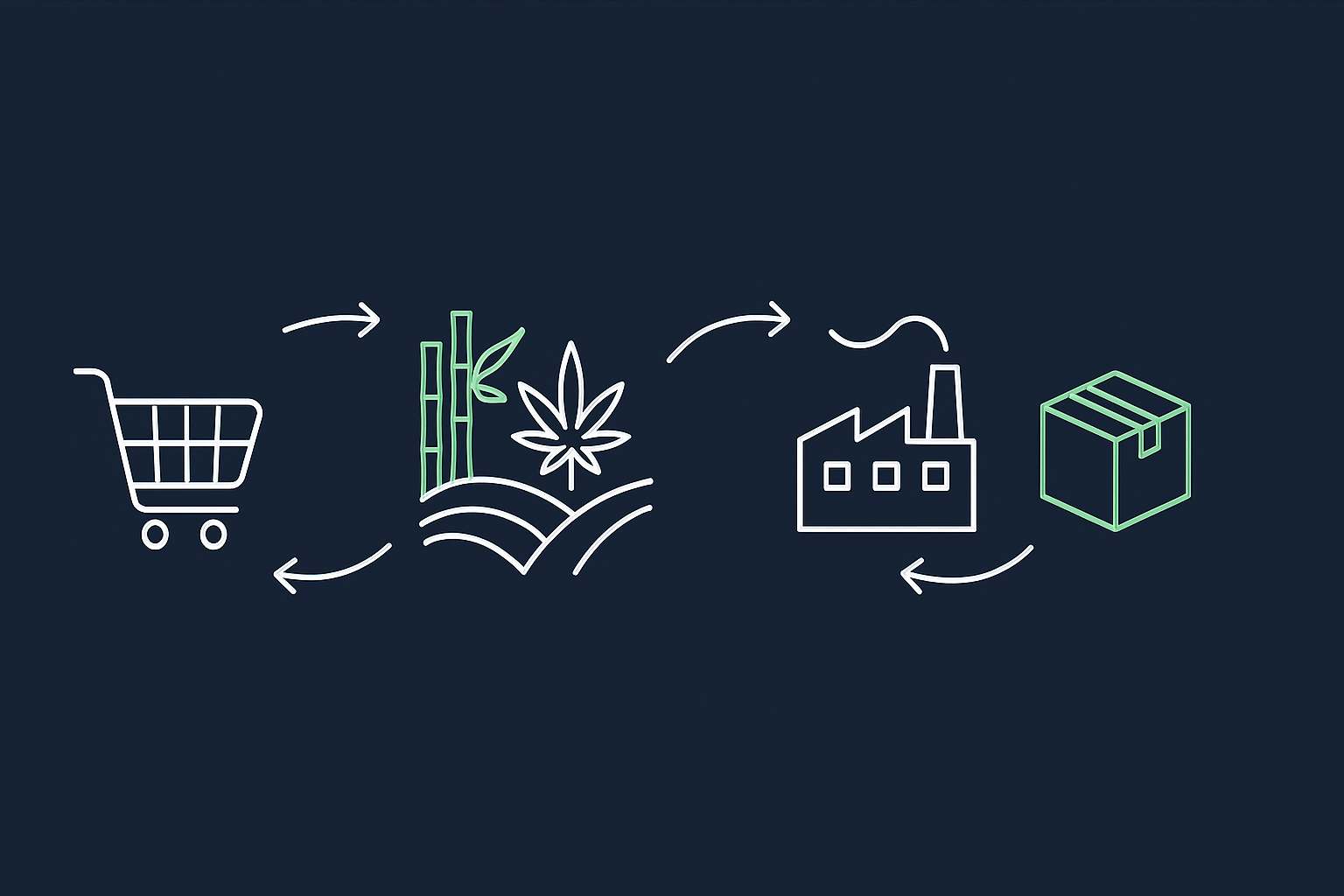
How the Transition Works
We don’t wait for the old system to change. We build the new one and make the old one irrelevant.
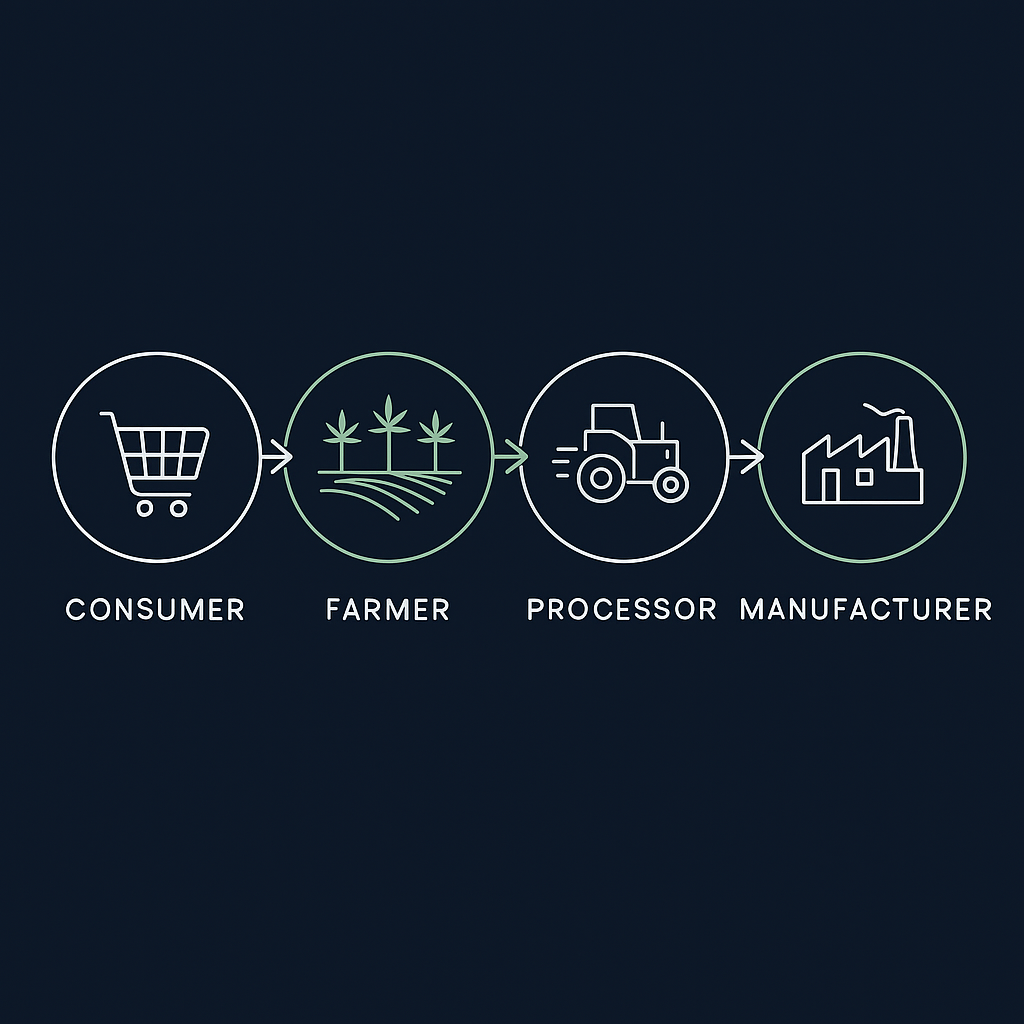
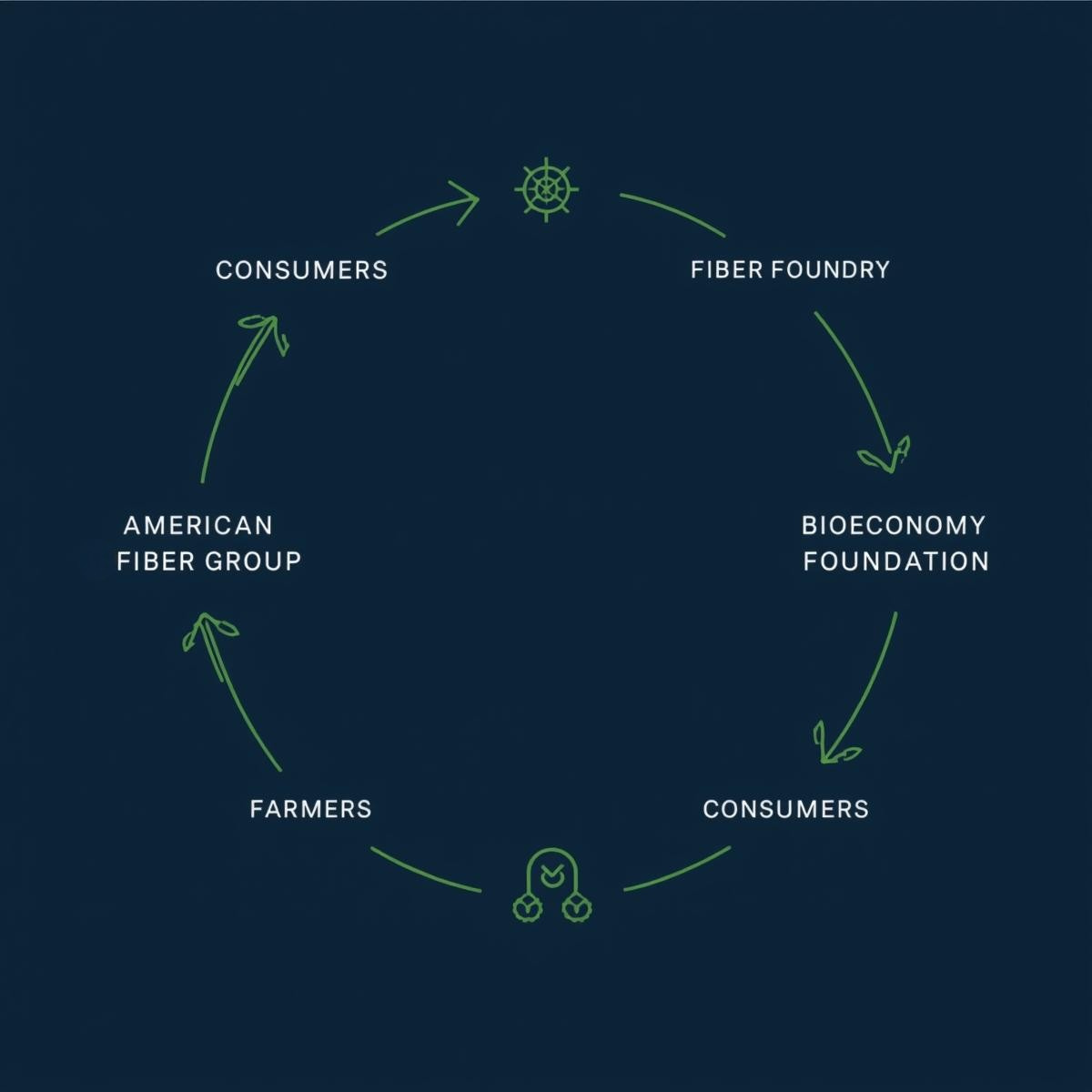
The Four Nodes That Drive the Whole System
Every industrial system has nodes. Petrochemicals kept them hidden. The new system makes them transparent and local.
Nodes:
Consumers send demand signals.
Farmers plant fiber crops with real buyers, not speculation.
Processors turn hemp and bamboo into industrial feedstocks.
Manufacturers use those feedstocks to replace petroleum-based inputs.

Consumers Start the Chain Reaction
When households switch to hemp and bamboo basics (towels, bedding, cutting boards, apparel) it creates the data signal manufacturers respond to. That signal eventually tells farmers what to plant.
3 Supporting Points:
No permission required
No lobbying required
Only smarter spending required
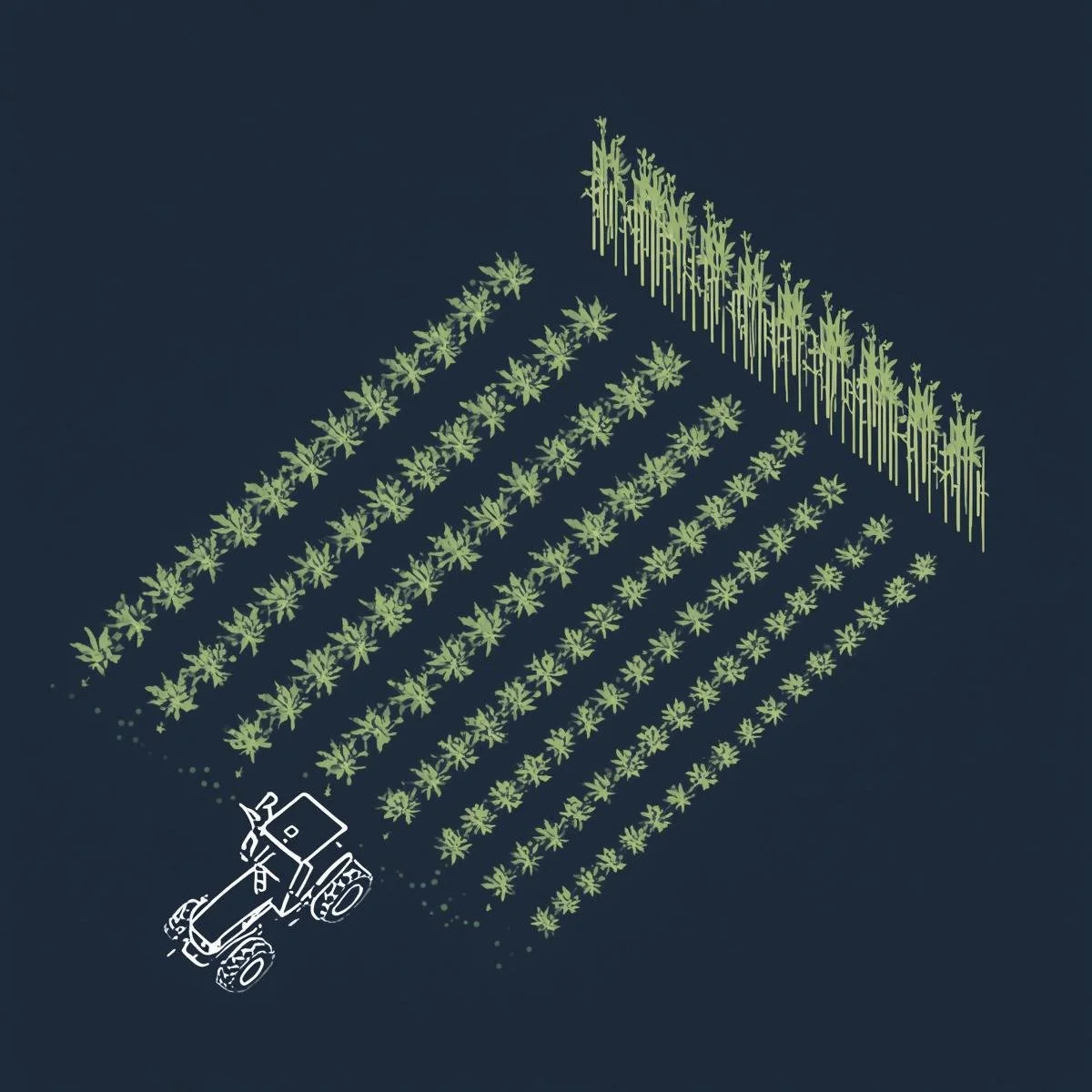
Farmers Plant What the Market Actually Needs
Farmers don’t plant “hope crops.” They plant contracted crops.
Hemp and bamboo become stable rotations once manufacturers commit to long-term purchasing.
Bullets:
Predictable multi-year contracts
Regionally optimized fiber varieties
Better revenue mix than monocrop farming

Processing Hubs Convert Fiber Into Industrial Inputs
This is where the real transformation happens:
stalk → fiber → hurd → pulp → pellets → panels → finished goods.
Decortication, pulping, pelletizing, carbonization—everything the petrochemical system needed crude oil for, we now do with plants.
Bullets:
Lower emissions
FEOC-compliant materials
Rural job creation
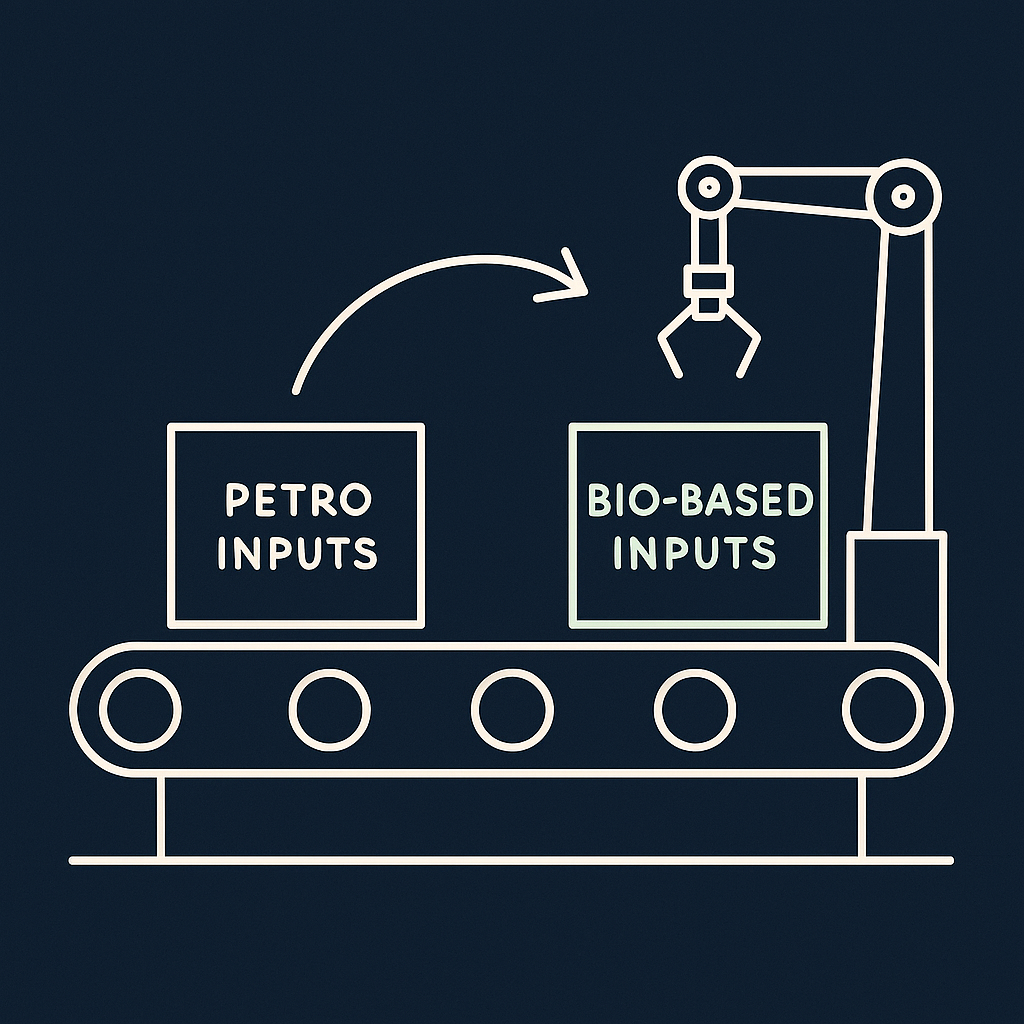
Manufacturers Swap Inputs, Not Their Entire Factory
This isn’t a revolution that requires new factories; just new feedstocks.
Hemp and bamboo biocomposites, fibers, pellets, and panels drop into existing workflows:
injection molding
extrusion
textile production
panel manufacturing
insulation lines
battery component lines
Every Purchase Strengthens the Infrastructure
5% of revenue from ecosystem brands flows into:
farmer grants
rural redevelopment
field pilots
university research
equipment and processing pilots
technical library expansion
This compounds over time.
