

BioLens v0
Petrochemical Transparency for Everyday Products
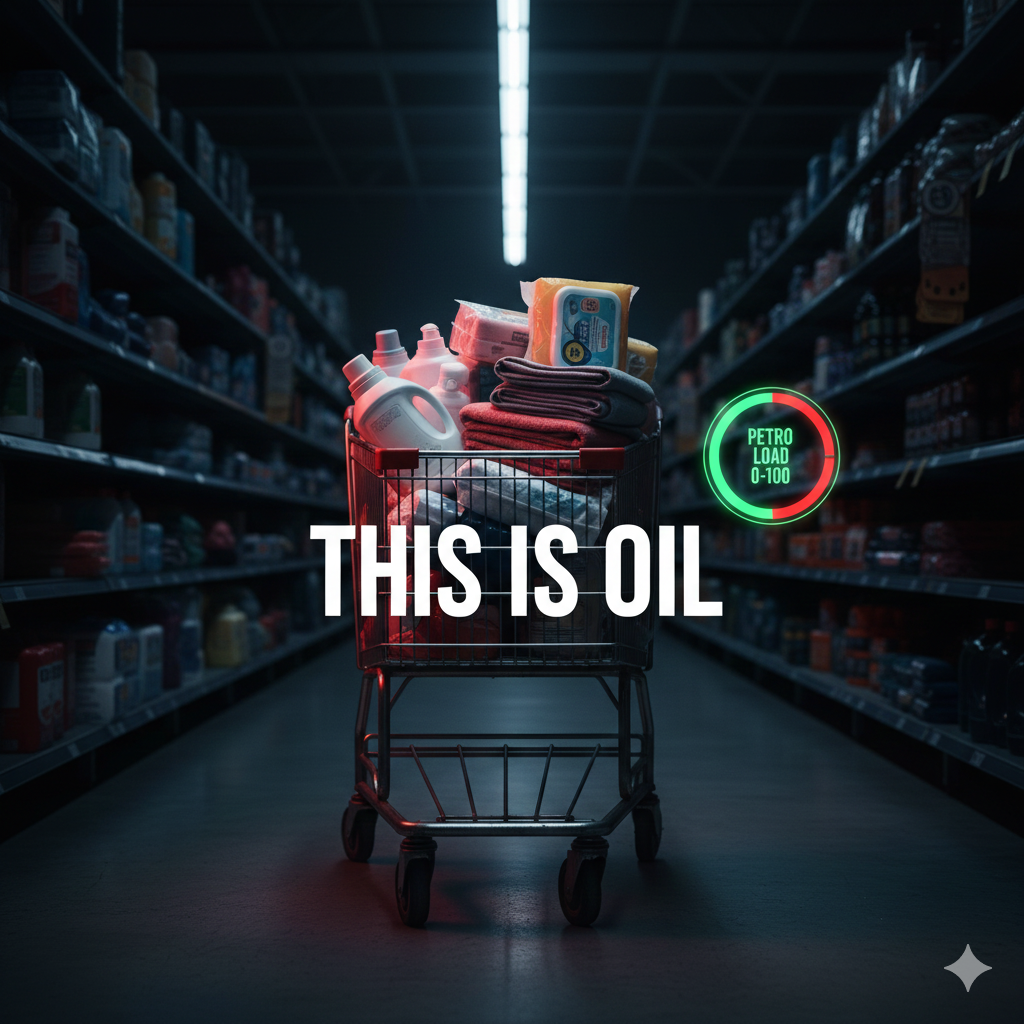
BioLens™ exposes how deeply petrochemicals are embedded in the products people use every day. Especially the ones that never tell you what they’re made of.
For the first time, consumers can see what’s behind the curtain.
A prototype from the Bioeconomy Foundation
This early version of BioLens is built on a simple idea:
If consumers understood where petrochemicals hide in daily products, they could redirect their dollars toward safer, renewable alternatives and force industry to evolve.
How BioLens v0 Works
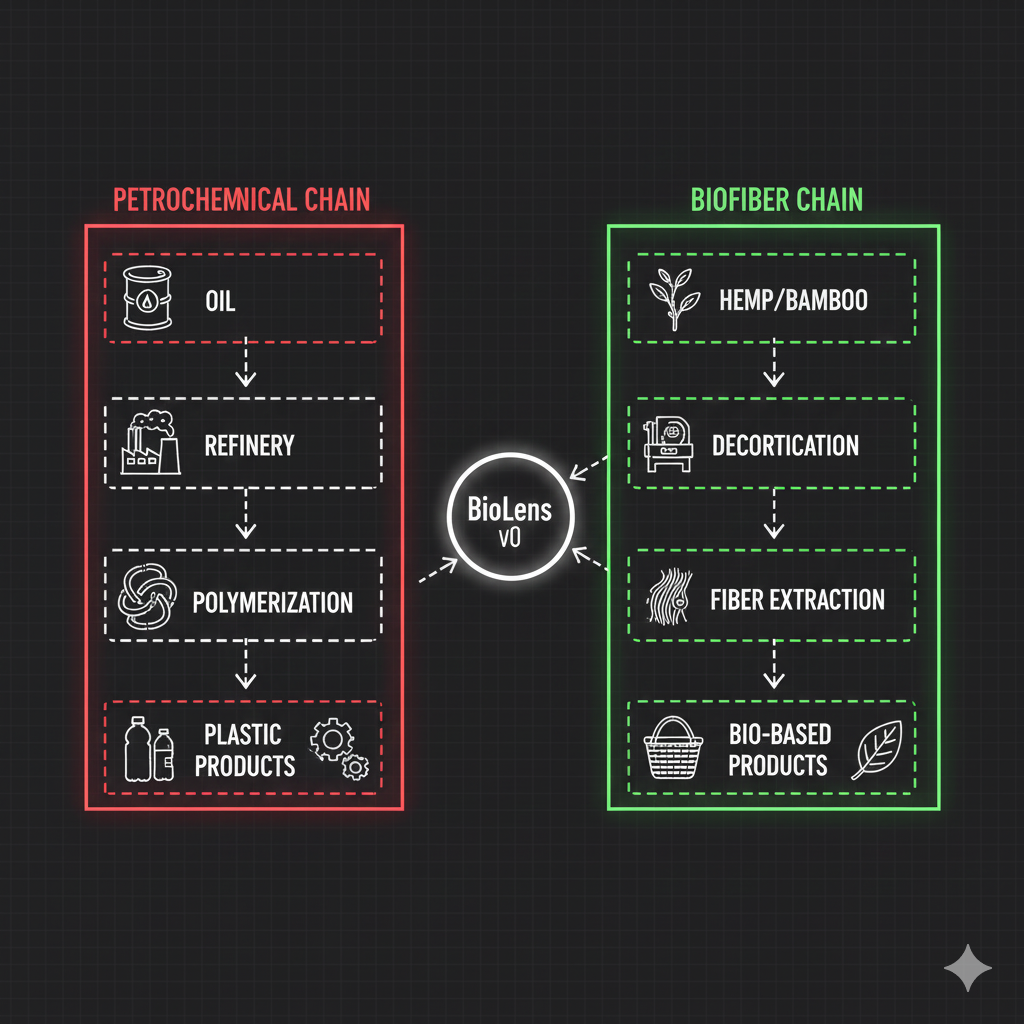
BioLens v0 is a transparent scoring tool built from four visible signals:
Product category
Main material
Packaging type
Typical price
BioLens turns those signals into:
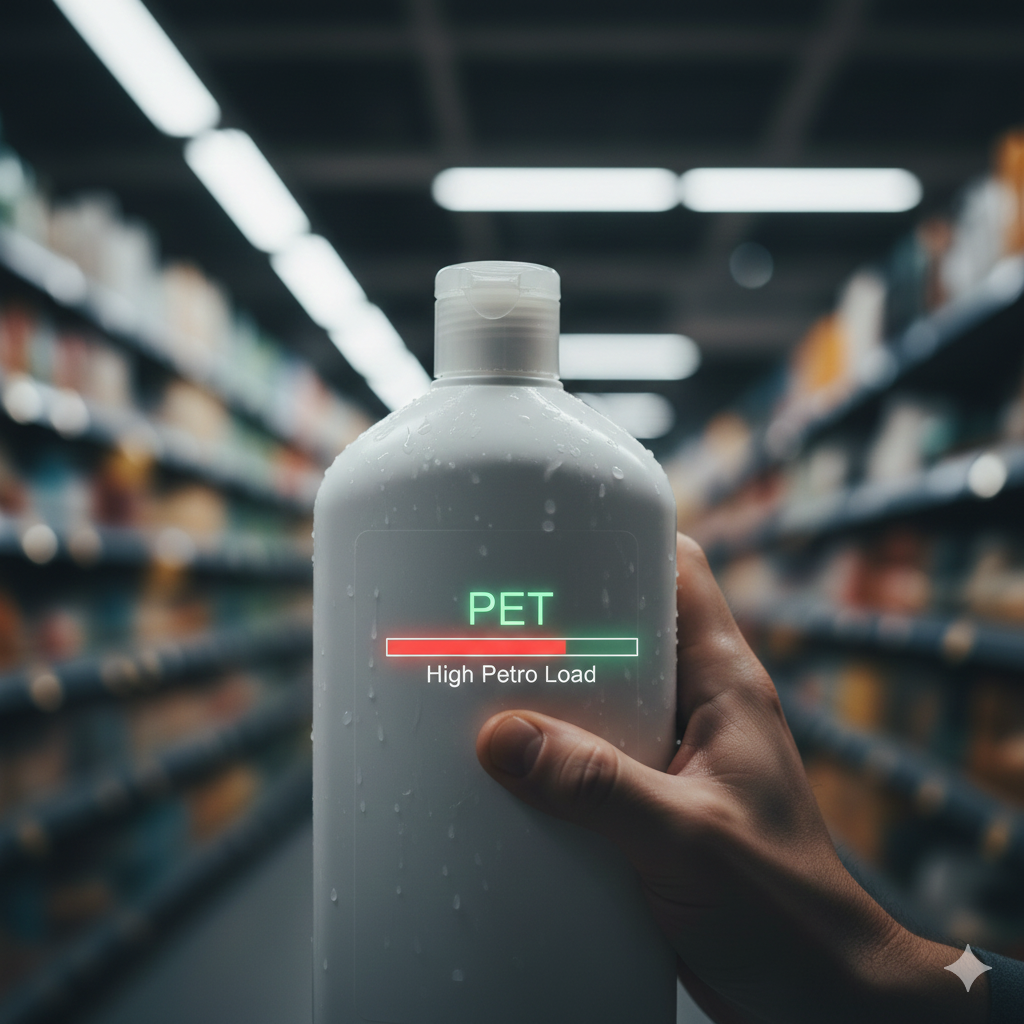
Petro Load (0–100)
Risk Level (Low / Medium / High)
Bio Dollars — how much of your purchase flows into petrochemicals
Liquid products (shampoo, detergent, cleaners) automatically receive additional petro load due to known petro-based surfactants and polymer chemistry.
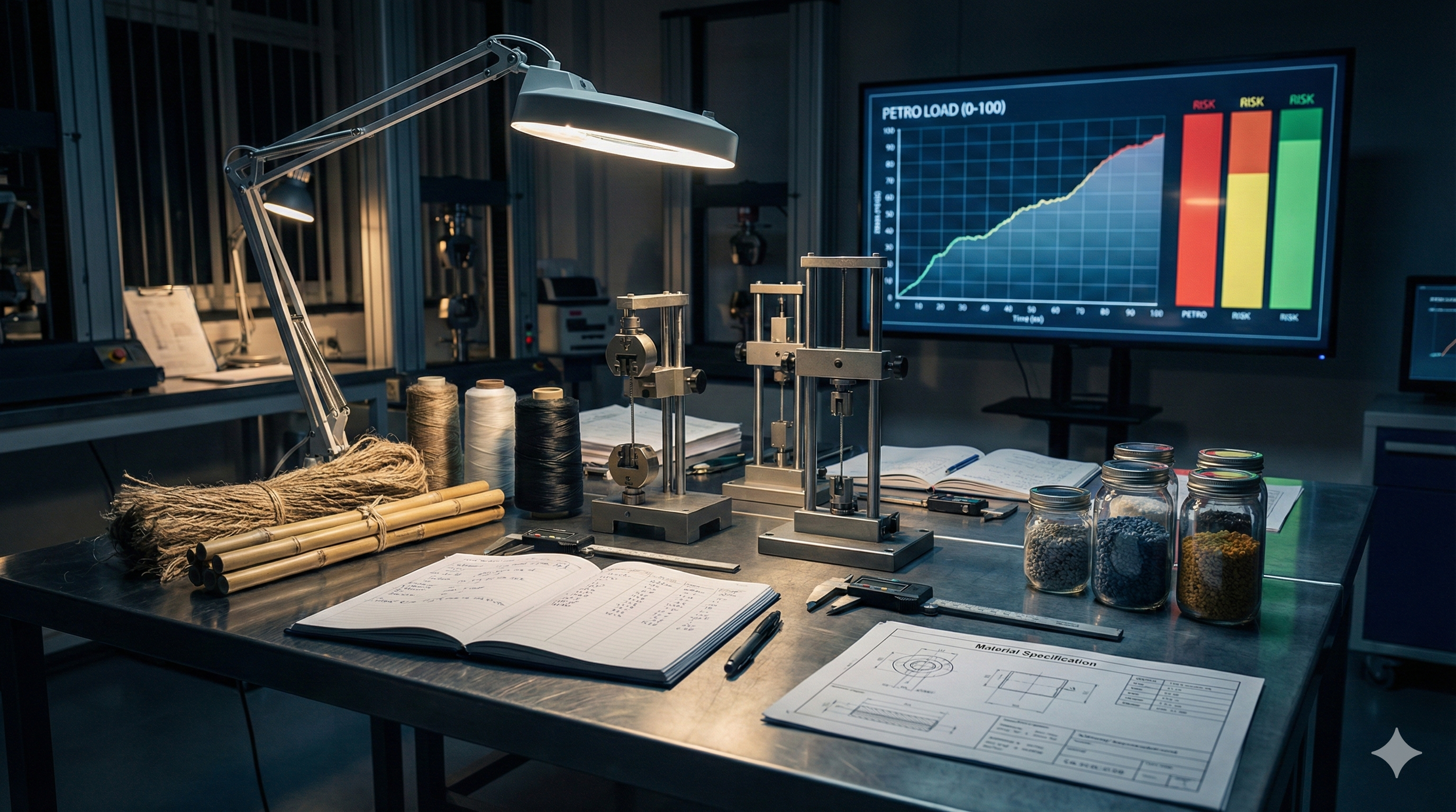
BioLens™ v0 - Live Prototype
BioLens v0 is the working prototype of our transparency engine.
It converts four visible signals into a Petro Load score, a Risk Level, and a BioDollar estimate helping consumers understand petrochemical dependency at a glance..
How to Use BioLens v0
Enter:
a product name
or a product category
or a primary material
…and BioLens returns:
Petro Load Score (0–100)
Risk Level
Bio Dollars
Known Petrochemical Inputs
Undisclosed Material Penalty (if applicable)
Suggested Hemp/Bamboo Alternatives
BioLens v0 — Petro Load & Bio Dollars
Enter what you know about a product. BioLens v0 uses simple, transparent rules (materials, packaging, category, and price) to estimate its Petro Load and how many Bio Dollars you can redirect by swapping to regenerative alternatives.
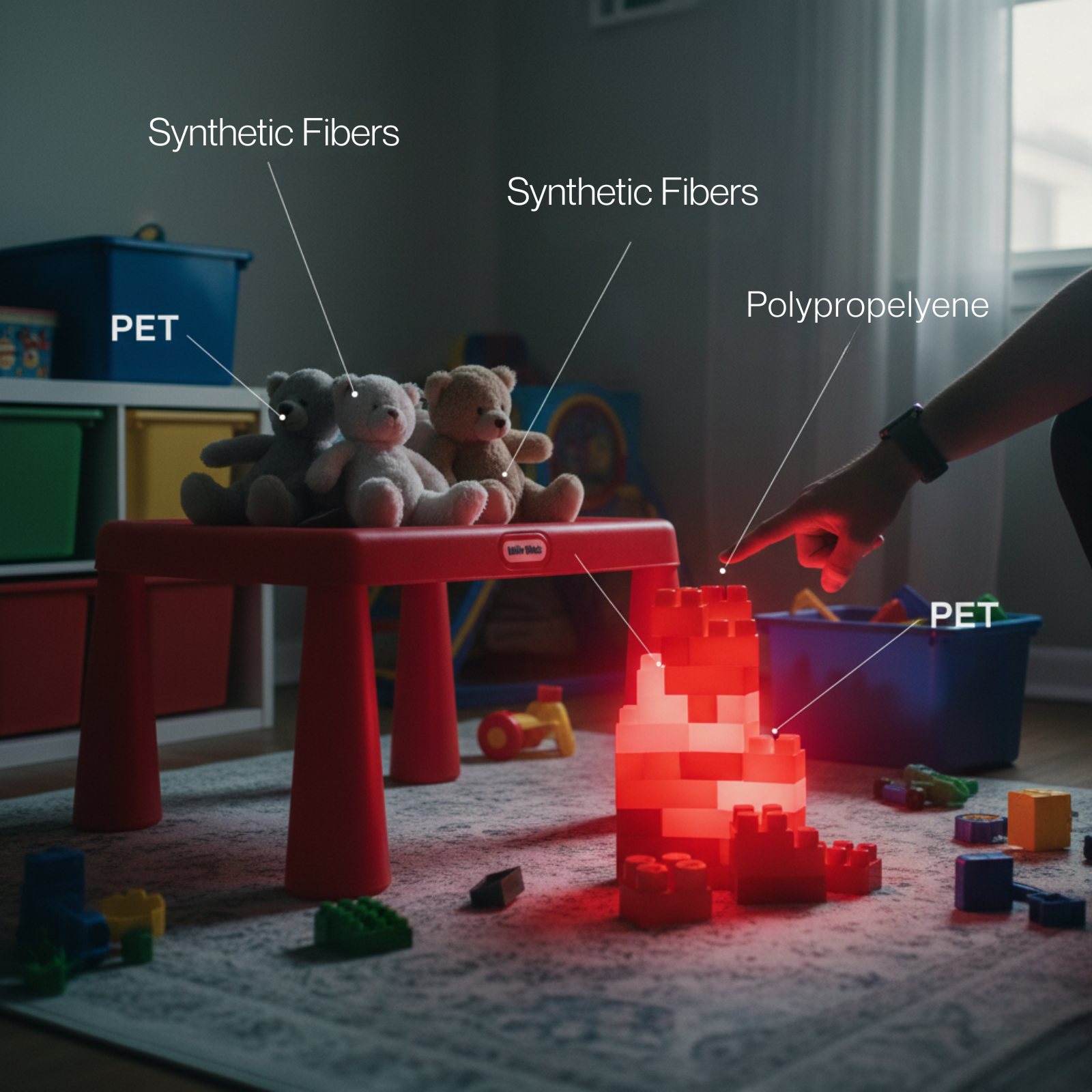
The Transparency Problem: Durable Goods Don’t Have to Tell You Anything
The Transparency Problem: Durable Goods Don’t Have to Tell You Anything
Most durable goods are not required to disclose their materials, including:
children’s toys
clothing and textiles
furniture and mattresses
kitchenware
appliances
household plastics
electronics
car interiors
cleaning tools
Brands are legally allowed to hide:
polymer types (ABS, PVC, PP, PET, EVA)
plasticizers and phthalates
PFAS and surface coatings
flame retardants
petroleum dyes
adhesives and resin blends
microplastic-generating fibers
BioLens applies an “undisclosed material penalty” to any product category where these are known to exist but not disclosed.
The petrochemical system thrives on opacity. BioLens blows that open.
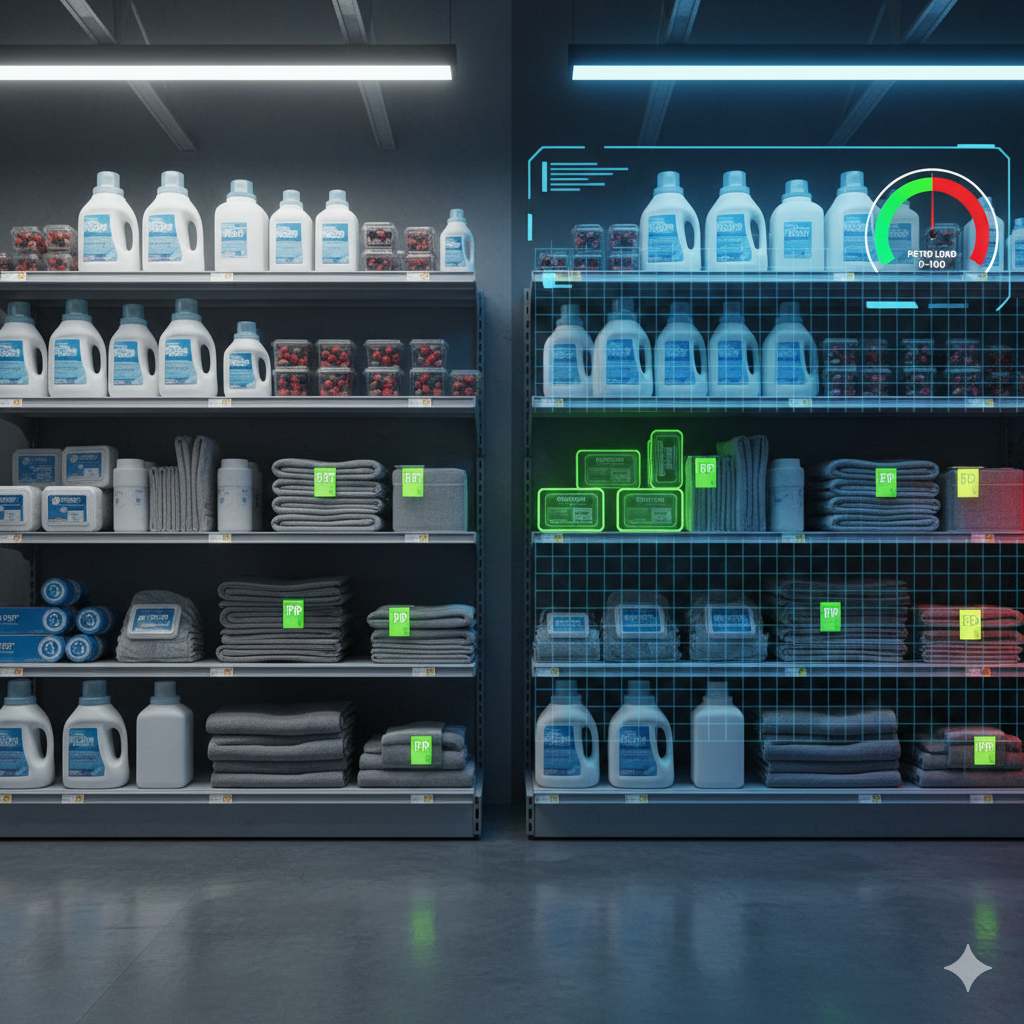
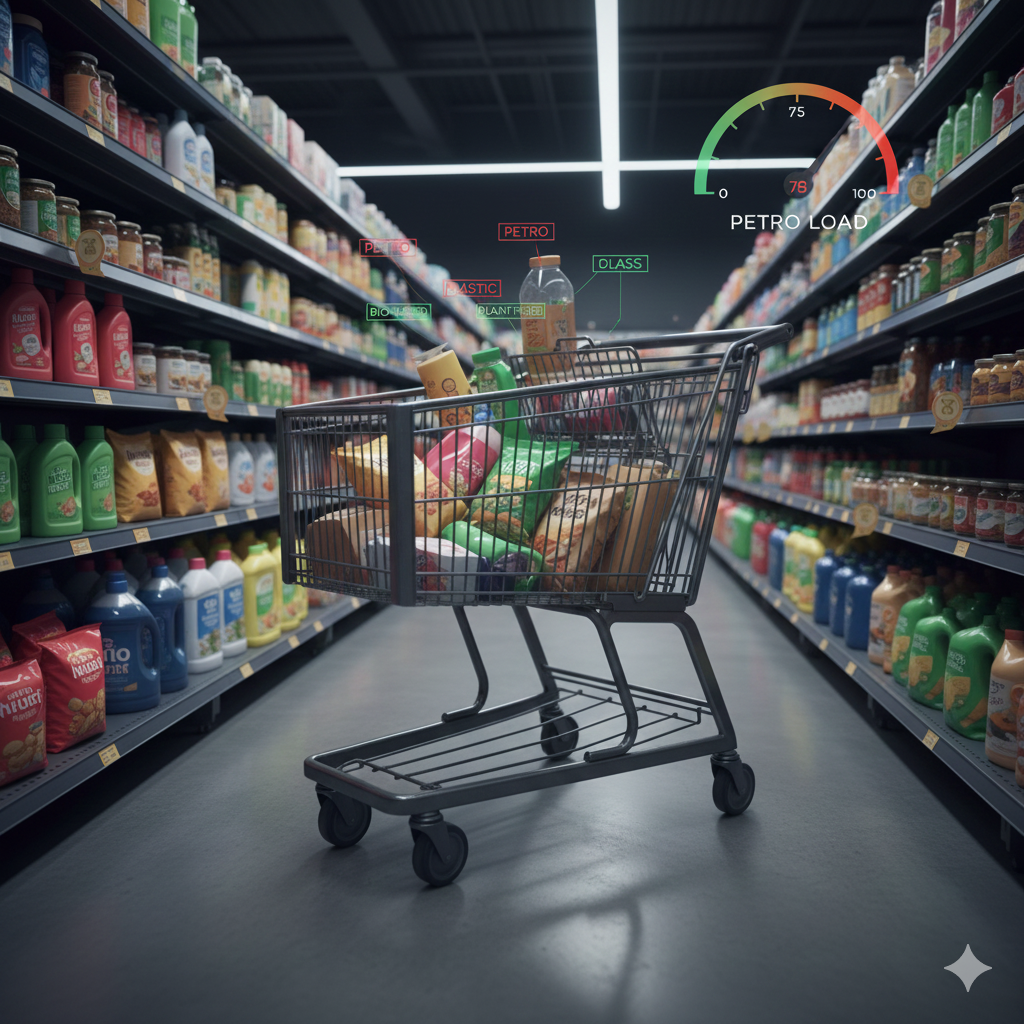
WHY DURABLE GOODS MATTER
Sample Output Cards
ABS Plastic Toy (Kids’ Toy Category)
Petro Load: 87
Risk: High
Bio Dollars: $0.92
Undisclosed Material Penalty: +15
Alt: Bamboo/Natural Fiber Composite
Polyester Throw Blanket (Textiles)
Petro Load: 78
Risk: Medium–High
Bio Dollars: $0.84
Undisclosed Material Penalty: +10
Alt: Bamboo viscose / Hemp-cotton blend
Nylon Kitchen Spatula
Petro Load: 90
Risk: High (heat-cycle exposure)
Bio Dollars: $0.95
Undisclosed Material Penalty: +20
Alt: Bamboo or hemp fiber composite
BioLens v0 doesn’t need proprietary ingredient lists to give consumers real transparency. It maps what’s already known about petrochemical behavior in consumer goods.
BIOLENS v1.5 (GS1 / UCC INTEGRATION)
Launching in 30 days.
BioLens v1.5 connects directly to the GS1 / UCC GTIN database to add:
product weight
packaging weight
packaging material
supply-chain metadata
unit count
Even with GS1, disclosure stops where “trade secret” exemptions begin.
That’s why BioLens is necessary.
ROADMAP
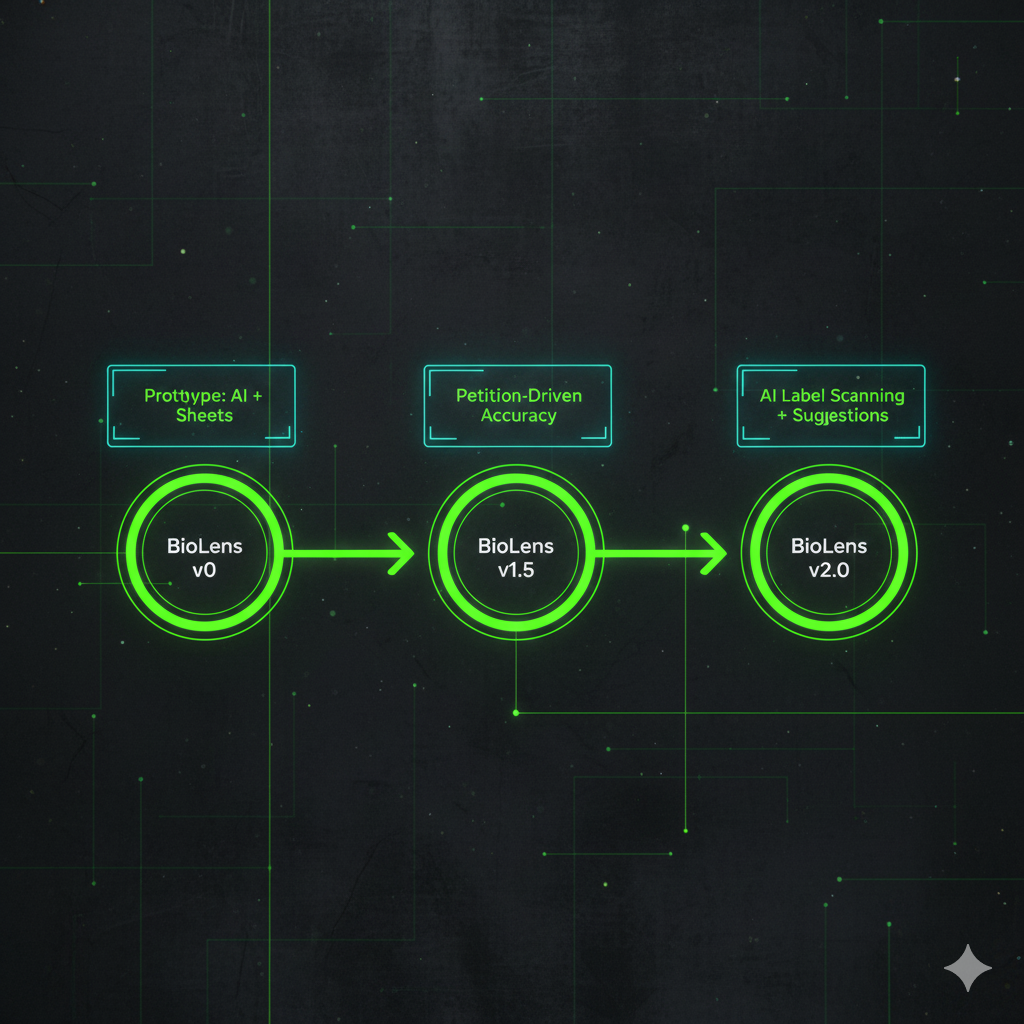
v0 — Live Today
Visible inputs → estimated petrochemical footprint.
v1.0 — Category Chemistry Expansion
Polymer, fiber, and coating maps.
v1.5 — GS1 Integration
Automated packaging & weight ingestion.
v2.0 — Exposure + Life-Cycle Engine
Microplastic shedding, off-gassing, product aging, and biological contact modeling.
Search for Products + Bio-Based Alternatives
See the petrochemical load of everyday items and compare them to hemp and bamboo alternatives.
WHY WE BUILT THIS
For a century, petrochemical companies built a system designed to keep consumers blind.
They hide behind:
trade secret exemptions
voluntary disclosure loopholes
undisclosed polymer categories
opaque supply chains
BioLens exists to reverse that.
Once consumers know the Petro Load, they can redirect their dollars — and redirect the system.
No Profit. No Power.
IP & AI USE STATEMENT
BioLens is a human-created intellectual work.
The concept, scoring logic, system architecture, category chemistry, and analytical framework were conceived and authored by the Bioeconomy Foundation.
AI tools assisted but did not originate any part of the design or methodology.
All rights reserved.
PUBLIC USE DISCLAIMER
BioLens is an educational transparency tool.
Scores are estimates based on known material science, category chemistry, and publicly available data.
BioLens does not provide medical or regulatory advice.
Use of this tool does not grant rights to copy, modify, or commercialize any part of the system.
