

Become a Founding Partner
Shape the regional hubs, materials, research, and industrial systems that will define the new fiber economy.
Founding Partners form the core group that aligns research, acreage, processing, manufacturing, and community development. This role sits at the intersection of the Bioeconomy Foundation’s research programs and American Fiber Group’s industrial deployment work.
Founding Partners help select pilot regions, guide material priorities, co-design hub infrastructure, and support the first generation of student researchers who will carry this system forward.
A Seat at the Ground Floor of Industrial Development
Founding Partners participate directly in shaping:
regional processing hubs
hub siting and infrastructure design
fiber crop adoption and acreage expansion
university research priorities
engineering standards for materials
pilot manufacturing lines
community-connected deployment
early equipment development and testing
long-term supply chain pathways
They help determine where hubs go, what they produce, which research accelerates, and how communities benefit, working directly with American Fiber Group, the Bioeconomy Foundation, and participating universities.
Founding Partners also help shape early DBX classifications through pilot data, materials testing, and deployment results. Their participation influences how new fiber grades are adopted, standardized, and integrated into procurement systems.


Contribution Pathways
Founding Partners participate through one or more of the following channels:
1. Research Co-Funding
Support early-stage research through the Accelerator. This funding helps pay students, faculty, and departments while AFG prepares deployment pathways.
2. Regional Sponsorship
Support for a specific region, pilot hub, or local workforce development program. This creates a direct link between research and on-the-ground outcomes.
3. Equipment & Material Support
Manufacturers and industrial teams can contribute equipment, testing time, or engineering capacity to accelerate processing and production.
4. Land & Agriculture Engagement
Farmers, landowners, and regional alliances bring acreage, regenerative rotations, and local stewardship.
5. Community Micro-Backing Leadership
Founding Partners often lead the local side of crowdfunding — coordinating parents, alumni, and residents to back student projects and earn proportional, long-tail royalties.
Shared Outcomes and Long-Term Value
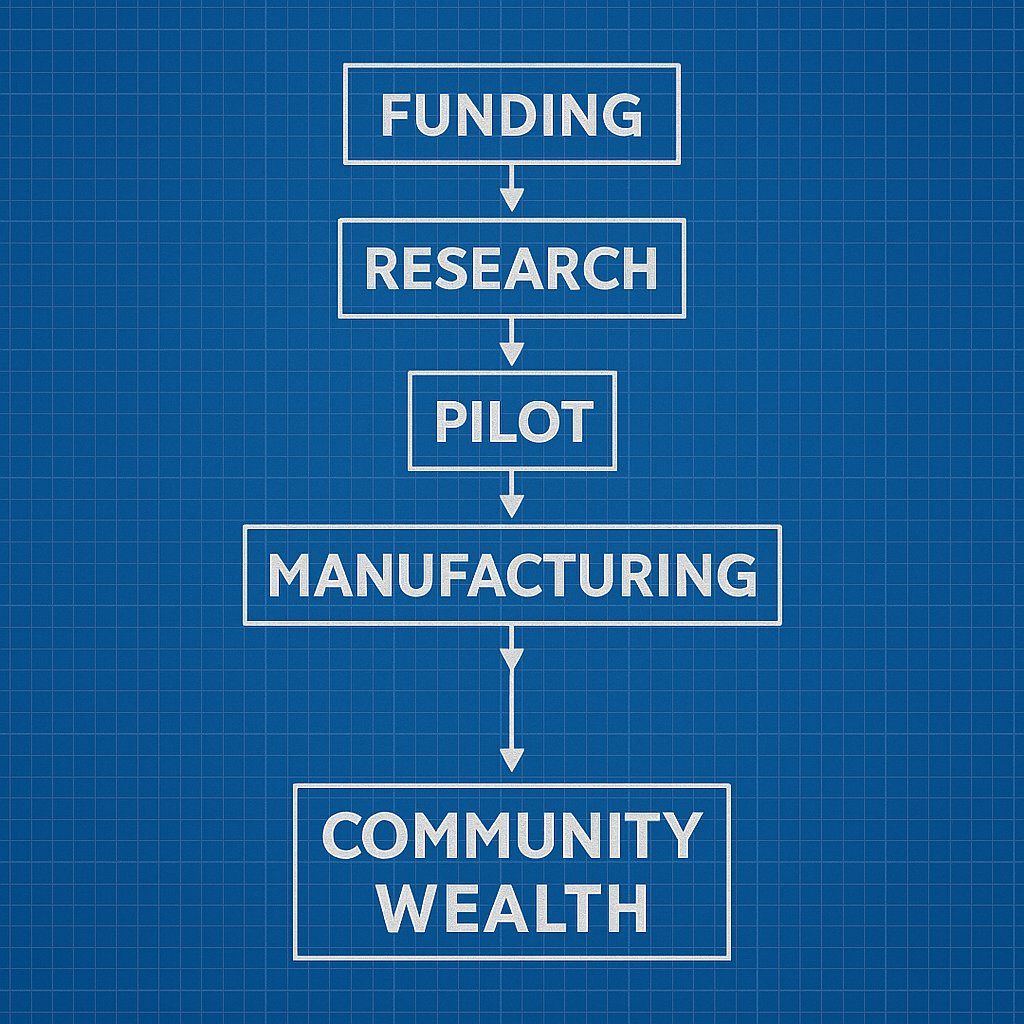
Founding Partners participate in structured returns when research becomes deployed capacity. Each project includes:
Student Salaries
Paid through Foundation + community + grant-matched funding.
Partners help stabilize and expand these positions.
10-Year Student Royalties
Students receive long-tail royalties when their work becomes commercial.
Faculty Royalties
Long-term compensation for project leadership.
Community Micro-Backer Returns
Small backers get small returns — reinforcing regional wealth cycles.
Partner-Level Shares
Founding Partners receive proportional returns from the projects or hubs they support, depending on contribution type and structure.
AFG Deployment Tie-In
American Fiber Group facilitates:
site selection
processing planning
equipment procurement
industrialization
commercialization
regional market integration.
DBX qualification and procurement routing for materials originating from partner-backed research, acreage, or pilot hubs

Founding Partner Profiles
Typical Founding Partners include:
manufacturing leaders
engineering firms
regional development coalitions
universities and technical institutes
landowner groups
regenerative agriculture networks
philanthropic organizations
community foundations
impact investors
local business alliances
forward-looking municipal or county leadership.
Benefits and Strategic Advantages
Founding Partners gain:
early access to research and technology
a direct role in hub planning and deployment
visibility inside the national fiber hub network
long-term royalty opportunities
alignment with student pipelines and workforce development
influence over materials, equipment, and product pathways
structured collaboration with AFG for sites, equipment, and manufacturing
cross-sector alignment with universities, farmers, and community partners
access to early-stage IP, open-source data, and engineering results
access to DBX pathways for qualifying materials, including grade certification, procurement visibility, and integration into AFG’s national supply network

Start the Process
Organizations begin by sharing a short overview of their goals, capabilities, and regions of interest. The Foundation and AFG then outline available pilots, research opportunities, funding tiers, and deployment paths.
