

Farmer Transition Support
Take a minute to write an introduction that is short, sweet, and to the point.
The Opportunity
Farmers need certainty — not theories.
The Foundation gives growers a clear, structured on-ramp into hemp and bamboo production built on three pillars:
predictable markets
DBX-verified quality standards
guaranteed buyer pathways through American Fiber Group and regional processors
For many operations, integrating bamboo windbreaks is the breakthrough:
funded as conservation practices
protect hemp fields
and become a second commercial fiber stream after Year 4
Even a 50–200 acre start can stabilize cash flow and future-proof your land for the coming bioindustrial shift.


What We Provide
Market Intelligence
Regional pricing maps
Yield projections for hemp & bamboo
DBX commodity benchmarks
Procurement requirements from verified buyers
Technical Support
Seed & clone recommendations
Equipment lists (verified, affordable)
Soil, water, and microclimate assessments
Bamboo windbreak design and species planning
Field layout optimized for dual-fiber systems
Buyer Pathways
American Fiber Group procurement
Verified processors in the Foundation network
Pre-negotiated introductions
DBX chain-of-custody onboarding
Funding & Incentives
Lower the cost of transition. Increase the certainty of return.
We help growers access:
USDA climate-smart grants
NRCS/EQIP/CSP windbreak funding (bamboo eligible in many states)
State fiber-crop incentive programs
Carbon credit stacking (hemp biomass + bamboo + biochar systems)
Infrastructure cost-sharing
DBX-backed risk mitigation for quality grading and procurement
Why Bamboo Windbreaks Pay Early
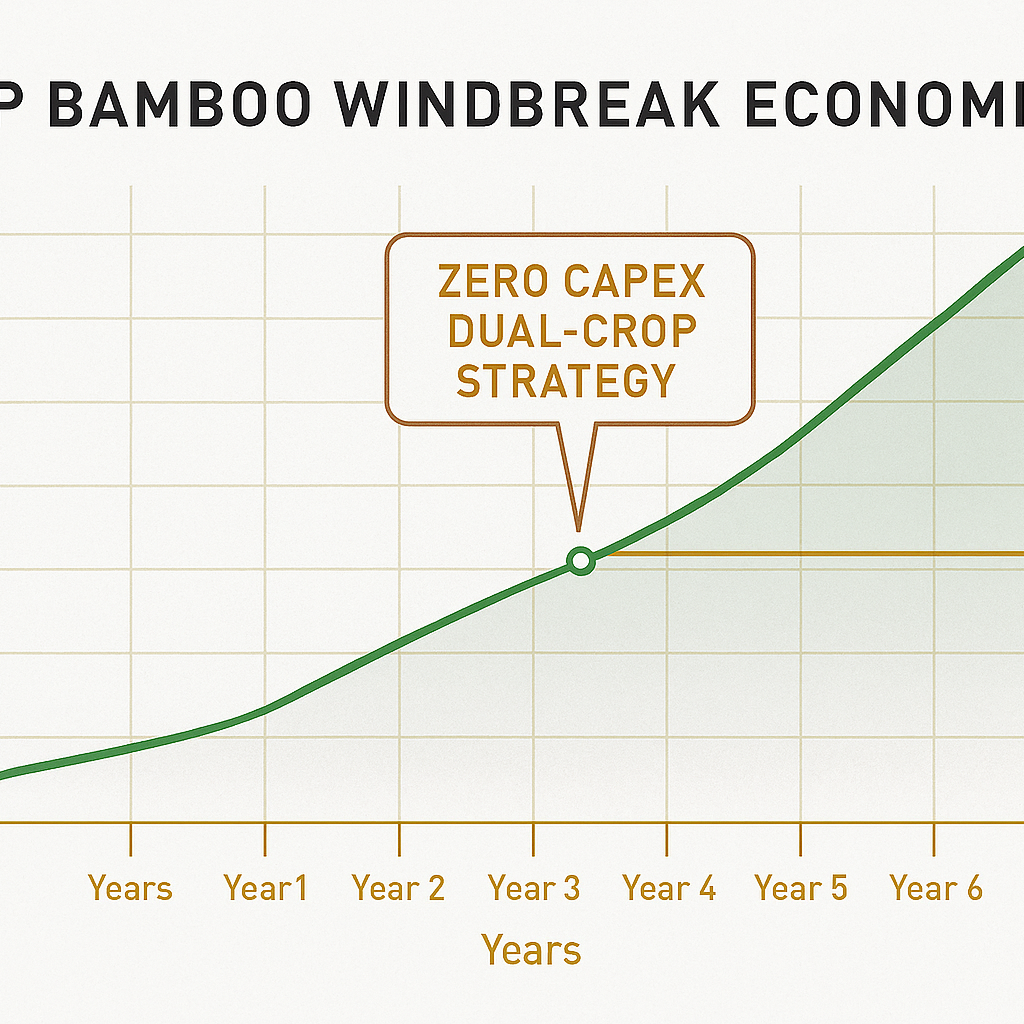
By Year 3, established bamboo windbreaks have demonstrated:
→ Up to 30% increase in hemp fiber yields
due to reduced wind stress, lower evapotranspiration, moderated heat, and a stabilized field climate.
This improves both volume and DBX grade consistency, raising per-acre revenue even before bamboo is harvested.
When Bamboo Becomes a Crop
Beginning Year 4, bamboo shifts from windbreak → perennial fiber crop:
annual harvest
low labor
zero replanting for 20–40 years
sold into the same DBX-aligned buyer network as hemp
Two fibers. One field. One standardized system..
Transition Timeline
Year 0 — Planning & Funding
Acreage mapping
Soil + water suitability
Apply for conservation & transition funding
DBX onboarding
Year 1 — Hemp First Harvest
Hemp fiber crop planted
Bamboo windbreak planted
Baseline hemp yields
Year 2 — Hemp Improvement Begins
Windbreak partially mature
5–15% hemp yield uplift
Better retting consistency
Year 3 — The Boost Year
Windbreak fully functional
Up to 30% higher hemp fiber yields
Higher DBX grades from improved fiber uniformity
Year 4 — Bamboo Begins Paying
First bamboo fiber harvest
Hemp yields stabilized at elevated levels
Start of dual-fiber revenue system
Years 5–40 — Perennial Production
Annual hemp harvest
Annual bamboo harvest
Soil carbon increases
Long-term regenerative cycle established
The DBX Advantage
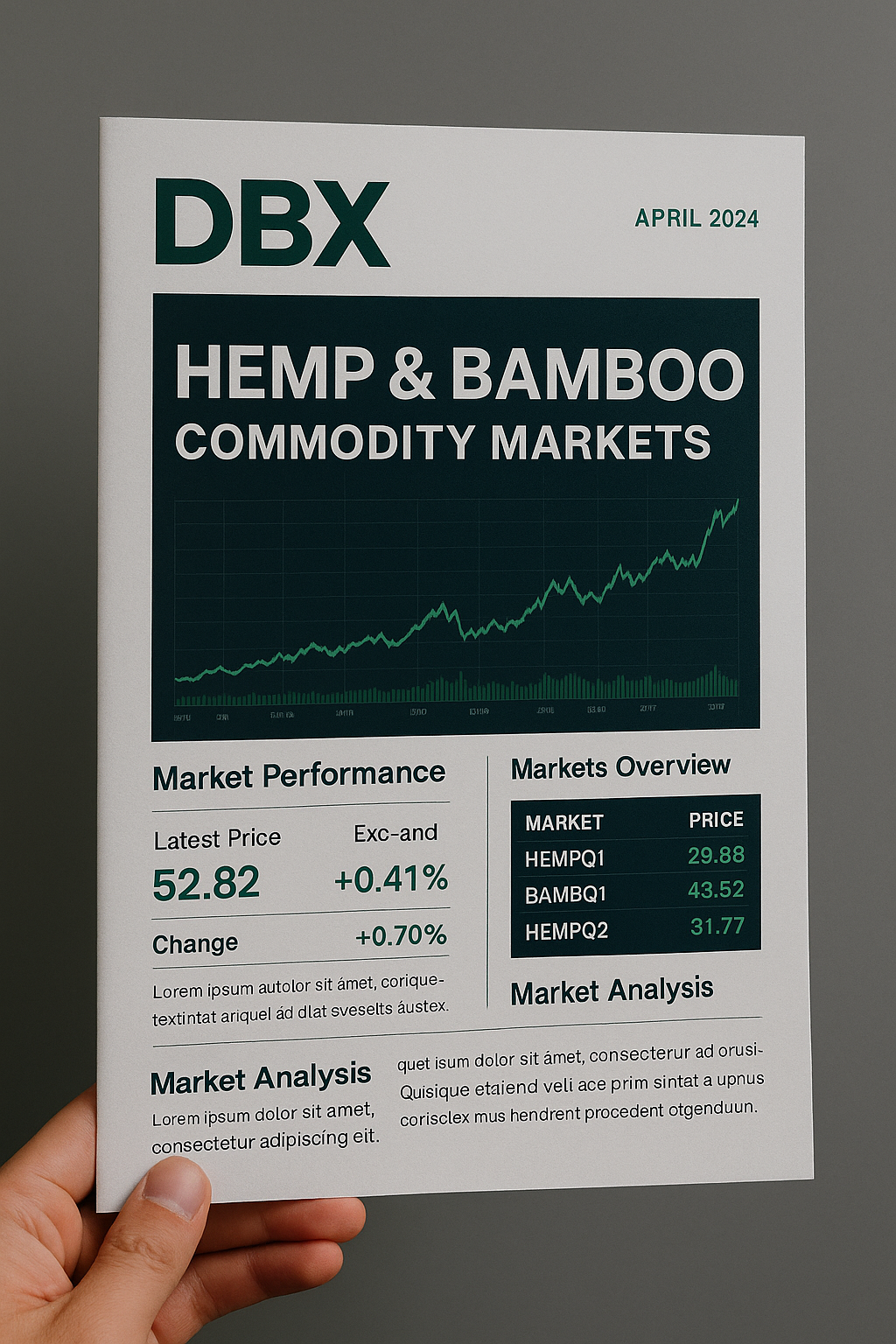
The Domestic Biofiber Index (DBX) is the backbone of farmer profitability.
It provides:
Material grade definitions for hemp & bamboo
FEOC-compliant procurement criteria
Chain-of-custody verification
Quality benchmarks buyers trust
The foundation for future insurance underwriting for fiber crops
Growers operating under DBX receive priority access to buyers, research pilots, and Foundation-verified funding pathways..
Downloadable Resources
Hemp & Bamboo Cultivation Basics (PDF)
DBX Commodity Standards Overview (PDF)
Bamboo Windbreak Design Guide (PDF)
Fiber Crop Economics & Revenue Models (PDF)
Funding & Incentive Checklist (PDF)
Funding for all Foundation programs draws from the same coordinated model: Foundation grants, community micro-backing, matched grants when available, and industrial participation through American Fiber Group. DBX alignment ensures that successful work can enter procurement pathways, deployment pilots, and regional industrial systems.
