
The Economy Was Designed.
We Can Design a Better One.
A global network accelerating the shift from petrochemical dependence to regenerative industry
Every purchase, policy, and partnership can build a new economy rooted in materials that heal not harm
You weren’t failing. The system was.
If you ever felt like you were working harder and getting less…
If your town lost factories…
If your kids moved back home because rent is impossible…
If your business can’t plan ninety days ahead because tariffs swing weekly…
If your cart costs more while everything feels cheaper…
That wasn’t you failing.
That was an economy built around one material.
Oil in nearly everything you buy.
In plastics, cleaners, fibers, packaging, coatings, paints, glues, fabrics, and the products touching your skin and your kids’ lungs.
And the truth is uncomfortable.
We do not actually know how harmful these products are, because the companies making them do not have to tell us what is in them.
This did not happen by accident.
Oil did not just power engines.
It powered a century of economic control.
When labor unions demanded safety,
when EPA and OSHA tried to protect workers,
petrochemical companies did not clean up.
They moved overseas.
To places where workers had no rights,
where the air and water could be sacrificed,
where American jobs were easier to replace than equipment.
The toxins never disappeared.
They just left the factory floor
and reappeared in our carts.
Continue to the Full Story >
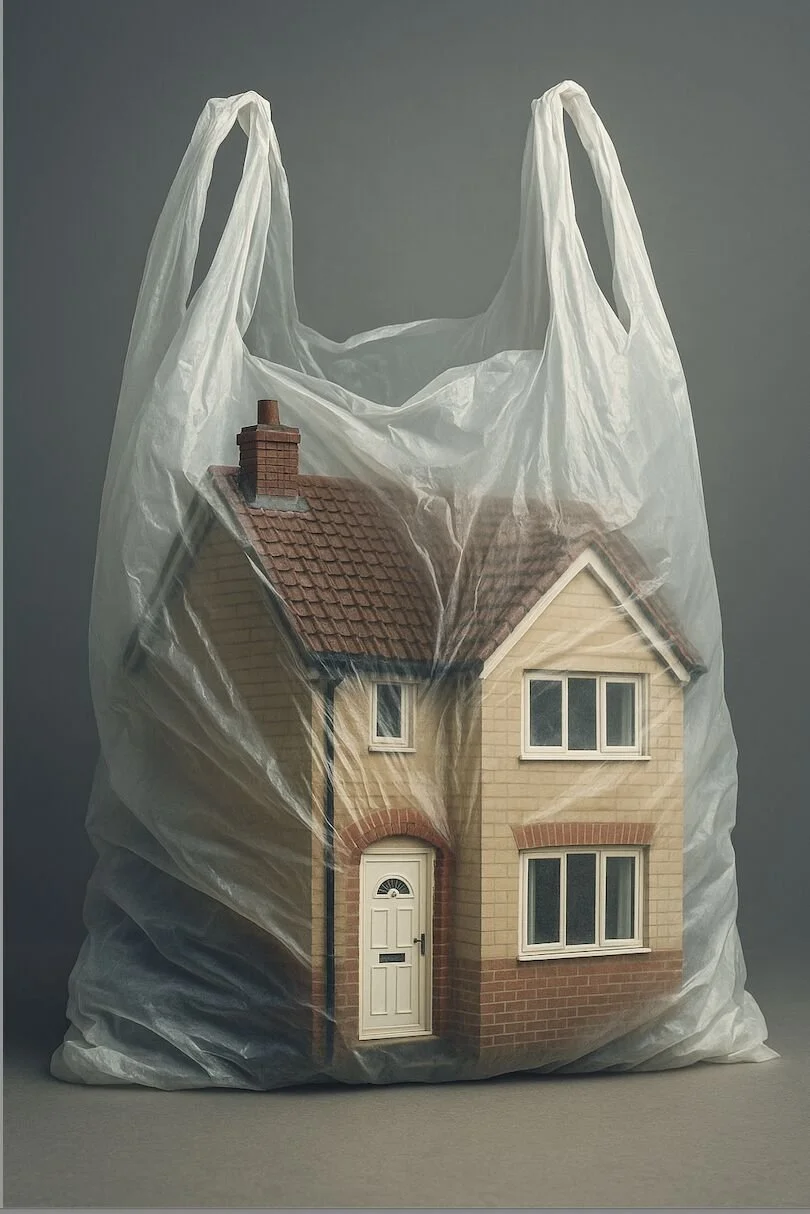

You can’t protest what you purchase.
But you can replace it
Every dollar you spend props up petrochemical profit.
But here’s the unlock no one told you:
When the raw material changes, the entire power structure shifts.
Hemp and bamboo grow almost anywhere.
They are safe.
They are cheap.
They are high-performance.
This is the gamechanger: they qualify for federal domestic-content incentives, carbon credits, and onshoring benefits that oil can’t touch.
This is how you rebuild a working middle class.
This is how you rebuild rural America.
This is how you make anything again.
How the Transition Works
We don’t protest the old system.
We replace it.
For a long time, the economy felt like something that happened to us.
We worked inside systems we didn’t design, under rules we didn’t write, buying products we didn’t choose, made from materials we didn’t consent to.
We were told:
“This is how it is. This is how it has to be.”
It wasn’t true.
Industrial hemp and bamboo change:
Pricing
Manufacturing
Jobs
Land use
Ownership
Because the side that controls materials controls the economy.

Four layers. One system.
Built to replace petrochemicals.
-

Now We Evolve
Movement → culture → awareness
The cultural engine.
Where people wake up, learn the truth, and start the shift. -

Fiber Foundry
Consumer goods → demand signal
The demand engine.
Every purchase redirects capital toward a better materials economy. -

American Fiber Group
Processing → manufacturing
The industrial engine.
Turning raw fiber into real domestic manufacturing capacity. -
Bioeconomy Foundation
Education → grants → coordination
The coordination engine.
Research, microgrants, and shared knowledge powering the transition.
The Book That Explains the Shift
Want the full backstory — the industrial chain, the geopolitics, the design of the petrochemical system, and the plan to replace it?
Read the book that became the foundation for this movement.

How the Supply Chain Rebuilds Itself
-

People Choose Better Materials
Everyday purchases signal demand for hemp and bamboo.
-

Demand Created: Manufacturers Respond
Local factories source regenerative fibers instead of petrochemicals.
-
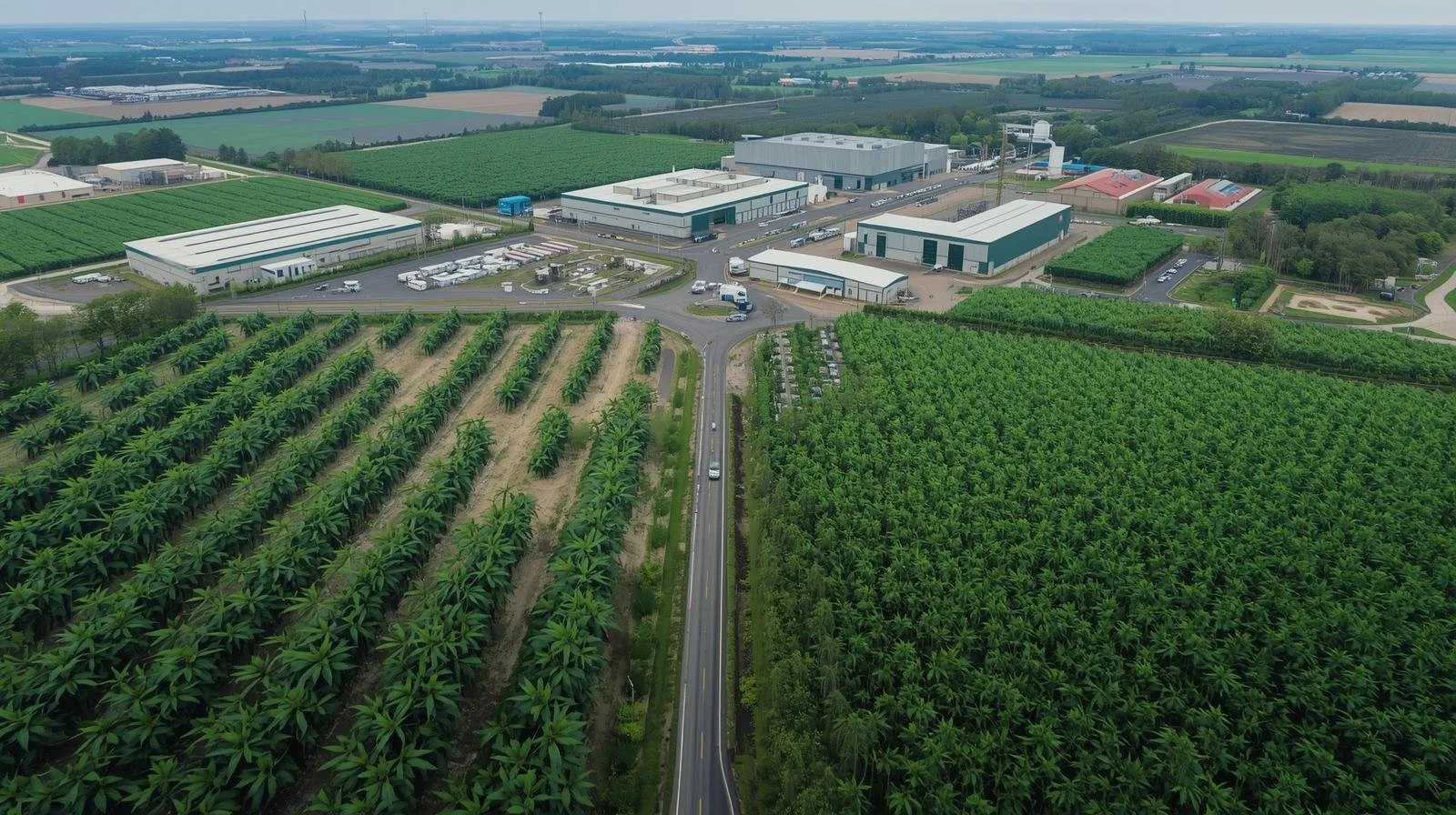
Farmers Grow for Guaranteed Contracts
Contracts replace speculation. Rural economies stabilize.
-
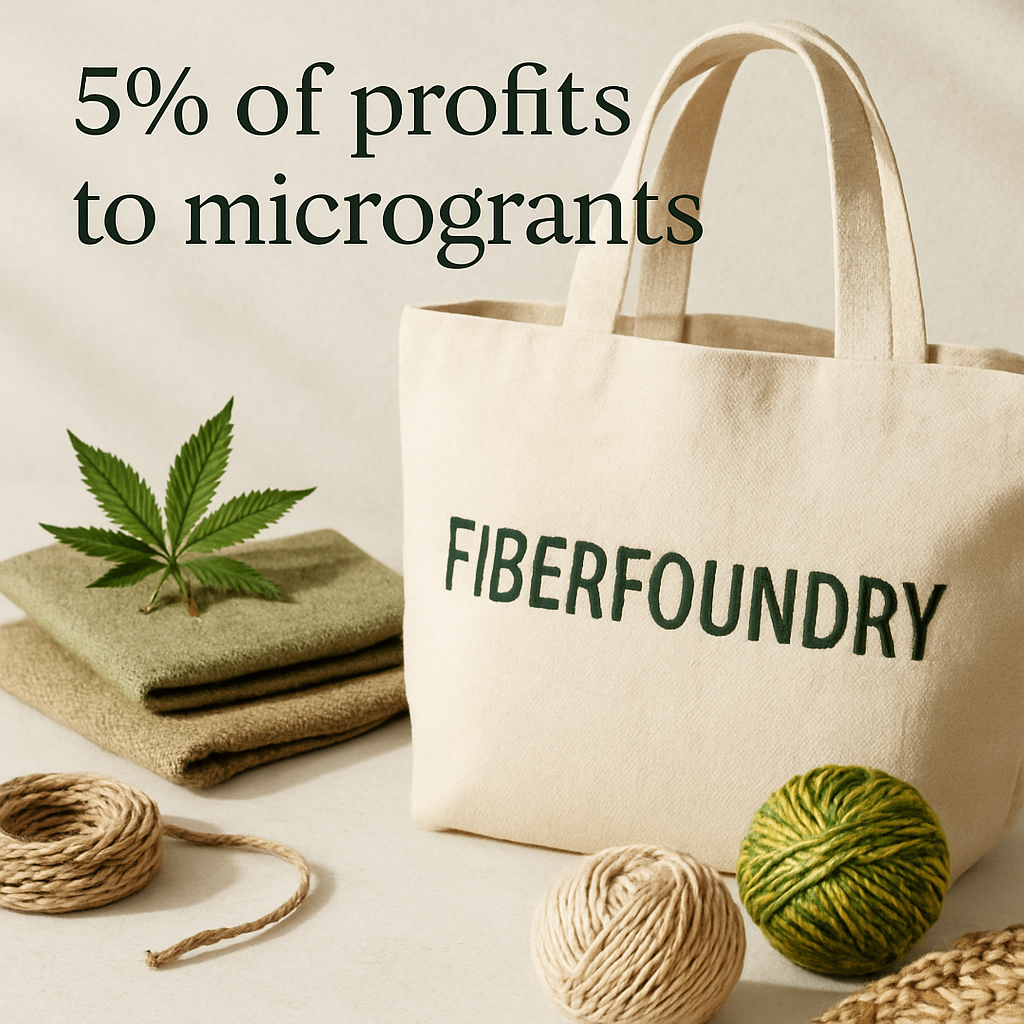
5% Reinvests Back Into the System
Revenue supports new processing facilities, training programs, and community-owned production.

What We Can Make From Hemp and Bamboo
Everything in your home — fabrics, cleaners, paper, packaging, wood replacements, plastics, insulation, building materials — can be made without petrochemicals.
When people use better materials, they start expecting them.
Expectation becomes pressure.
Pressure becomes manufacturing.
Manufacturing becomes prosperity.
Revolutions don’t begin with slogans.
They begin with products.
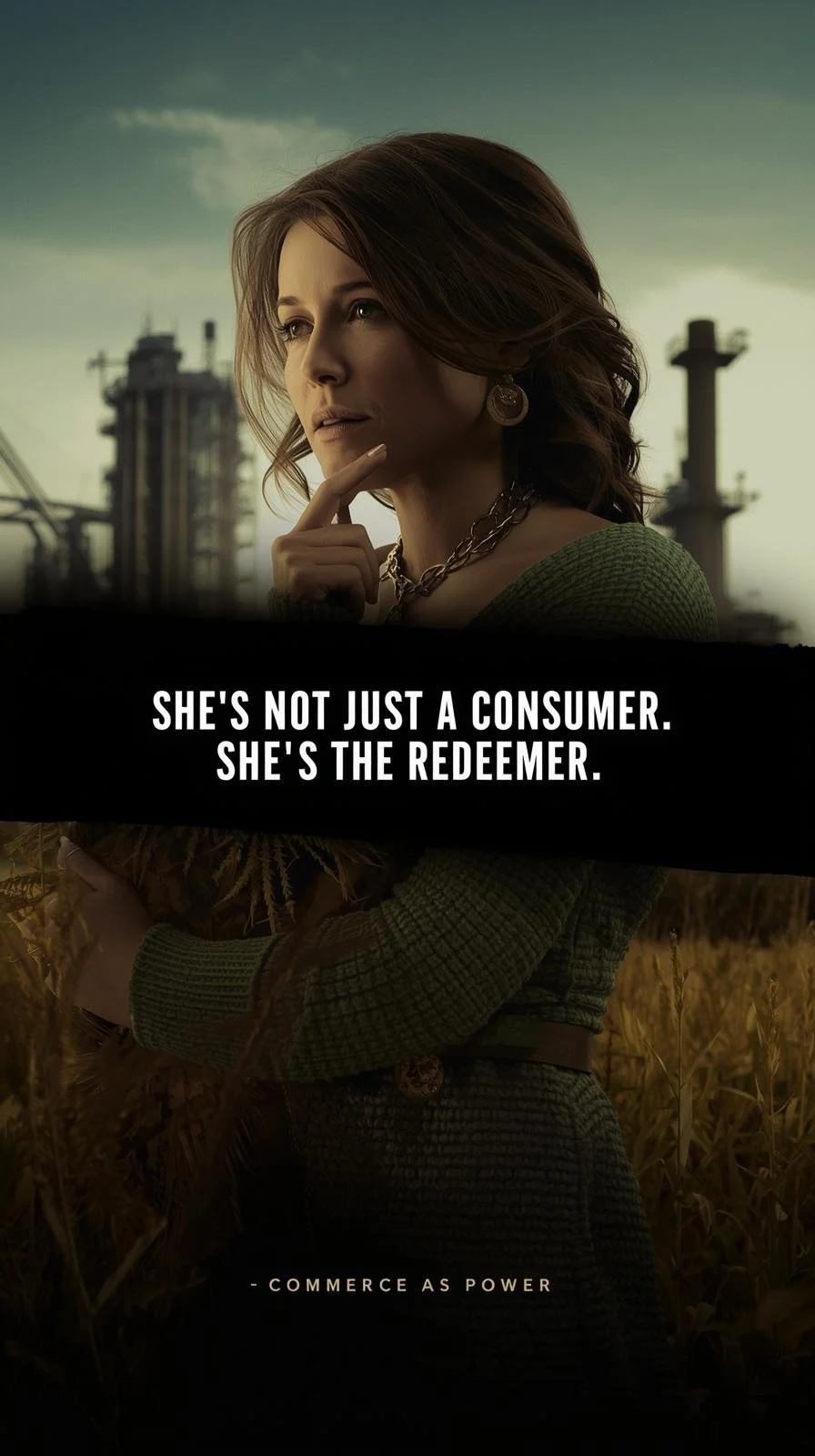
This Movement Is Led by Women
Not by design, by reality.
Women drive:
80% of consumer purchasing decisions
60% of emerging regenerative and sustainable startups
Up to 70% of agricultural leadership in developing regions
The majority of early-stage community and climate action networks
Systems were built to silence you.
To keep you too busy.
Too exhausted.
Too overwhelmed.
Too underpaid.
Not here.
Systems were built to silence you.
To keep you too busy.
Too exhausted.
Too overwhelmed.
Too underpaid.
Not here.
This transition prioritizes:
• Women led teams
• Mother led enterprise
• Community owned manufacturing
• Rural led development
• Minority led innovation
Women carry the consequences of petrochemical harm.
They will lead the industrial shift away from it.

The Gamechanger: AI + Low-Cost Manufacturing
The old system required:
$100,000 molds
Factory minimums
Corporate gatekeepers
Opaque supply chains
The new system doesn’t.
AI removes the knowledge barrier.
3D printing removes the manufacturing barrier.
Hemp + bamboo remove the material barrier.
If you have an idea for a product?
You no longer need a factory.
You no longer need permission.
You no longer need “connections.”
You need a laptop, a printer, and a field.
This is how millions of new founders enter the economy.
This is how teenagers out-innovate corporations.
This is how rural towns leapfrog tech hubs.
And this is why the old system is terrified.
Choose the lane that matches where you are right now.
-

Change Your Cart
Replace petroleum-based products with hemp + bamboo basics.
-

Learn How the System Works
Enter the Library and understand the tech. Pass on the knowledge.
-

Help Build the Infrastructure
Direct grants, investment, or policy toward processing, equipment, and rural facilities.
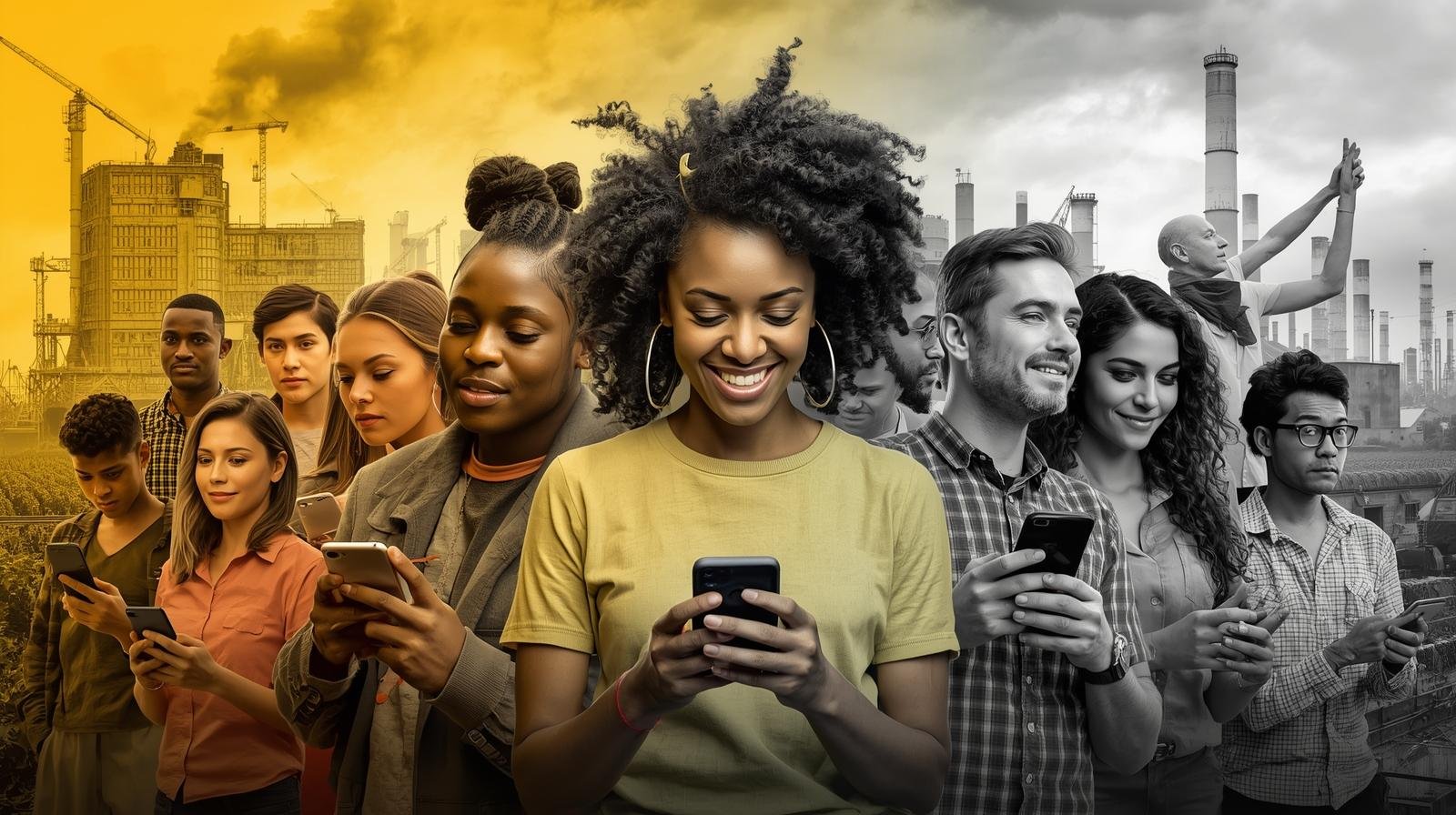
We don’t buy clicks.
We Build Believers.

Can’t Donate?
Sharing Helps More Than You Think.**
Our ecosystem doesn’t buy ads.
We don’t feed the platforms that feed the petrochemical system.
Every share you make pushes our story into algorithms that normally sell you toxic products.
Your share wastes a petrochemical company’s marketing dollar.
Your share sends a signal.
Your share builds the new system.
That’s why we call our supporters:
The Endsetters
The people who end one system by starting another.
Follow us at Now We Evolve:
